The area that is now Gloucester MA was inhabited briefly by European settlers around 1626. The settlement was abandoned, but people returned slowly, and the town was founded as Gloucester in 1642, taking its name from a city in South-West England. Although farming was an important occupation, the community developed into an important fishing and shipbuilding port due to its location.
This page features existing houses in Gloucester constructed before the Revolutionary War that retain their early integrity of appearance. Gloucester shares the Cape Ann peninsula with Rockport, a popular tourist destination.

- Black and white photos and historic information are provided by the MACRIS website of the Massachusetts Historical Commission.
- Color photos are provided by the Town of Gloucester Vision Properties page, online realtors and Google street view.
- Photos link to black and white images taken during the 1980s. “GLO” links to the listing at the MACRIS site.
- Visit Prudence Fish’s site Antique Houses of Gloucester.
- Gloucester houses on the National Register of Historic Places
- The Grand Hotels of Gloucester and Cape Ann
- First Period houses in Gloucester
- Antique Houses of Gloucester: The Families Who Built Them, the Mayor Who Moved Them and the Changing Face of the Harbor Village by Prudence Fish.
- To request or add information, please contact Gordon Harris at historicipswich@gmail.com.
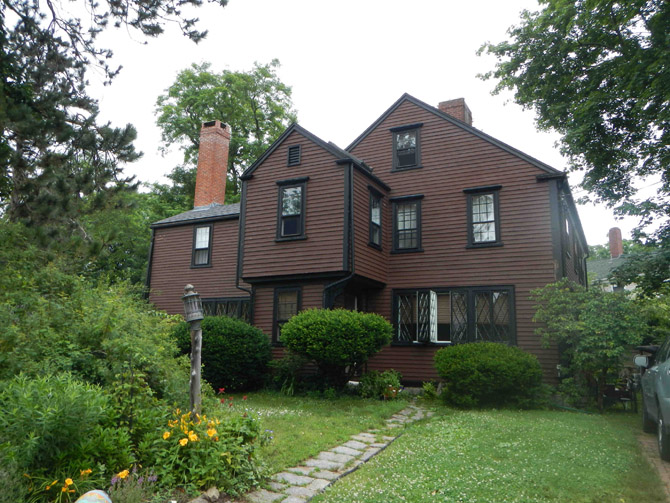
This house may have been built by a member of the Davis family. By 1872, it was one of a number of properties owned by boot and shoemaker James S. Jewett. Jewett made “red jack” boots, which were high, waterproof boots. At one time during the mid-19th century, Jewett employed about 60 people in Annisquam.
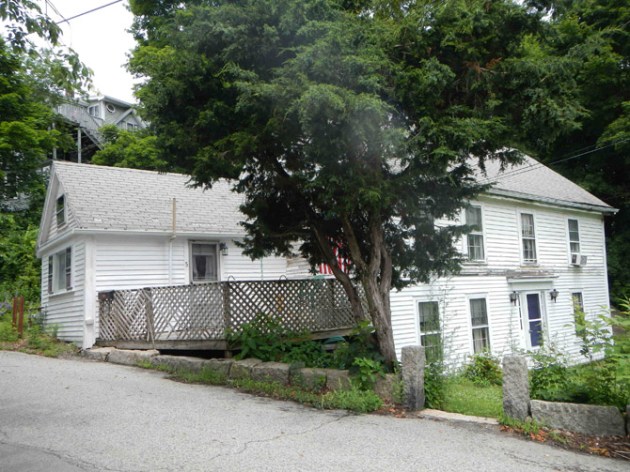
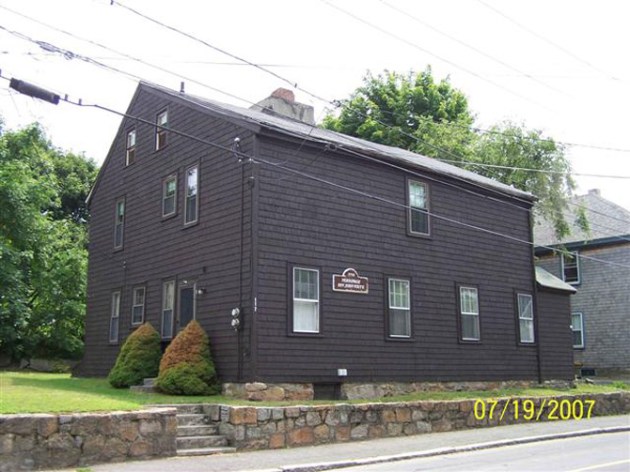
Rev. John White, the first minister of Gloucester’s First Church, built the First-Period White Ellery House on the Green. White moved from his first house several years before his death into this house. White was considered “one of the learned, pious, humble, prudent, faithful, and useful men of his day.” The second of White’s three wives was Abigail Blake, daughter of Rev. Increase Mather.
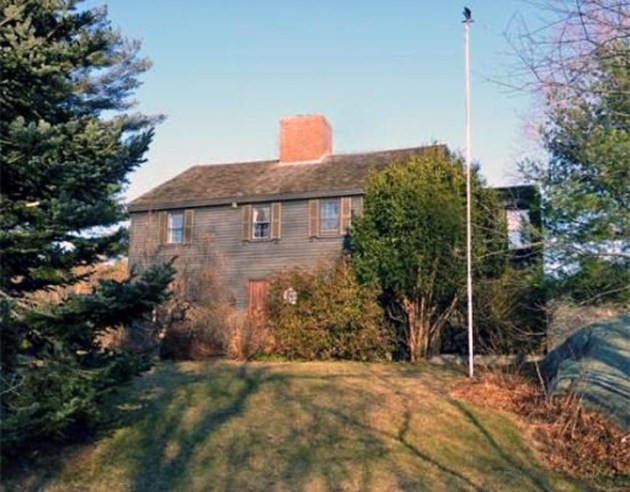
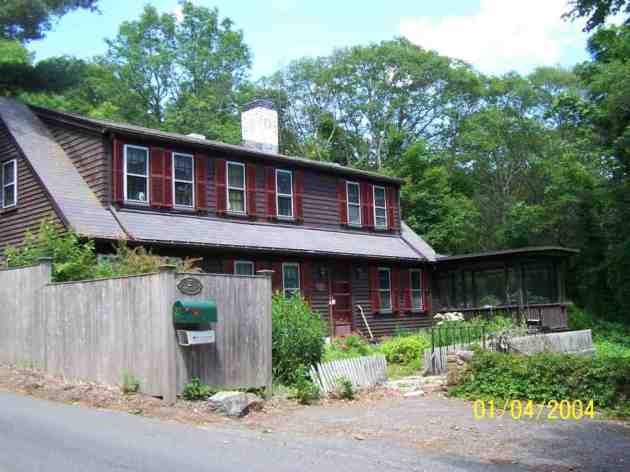
The original configuration of this house was a five-bay, center-entry, central chimney “Cape” with a southern exposure. The two western bays, the shed dormers, and the rear lean-to were added during the early 20th century. A projecting side porch with plain balusters and supports appears to date from the mid-20th century
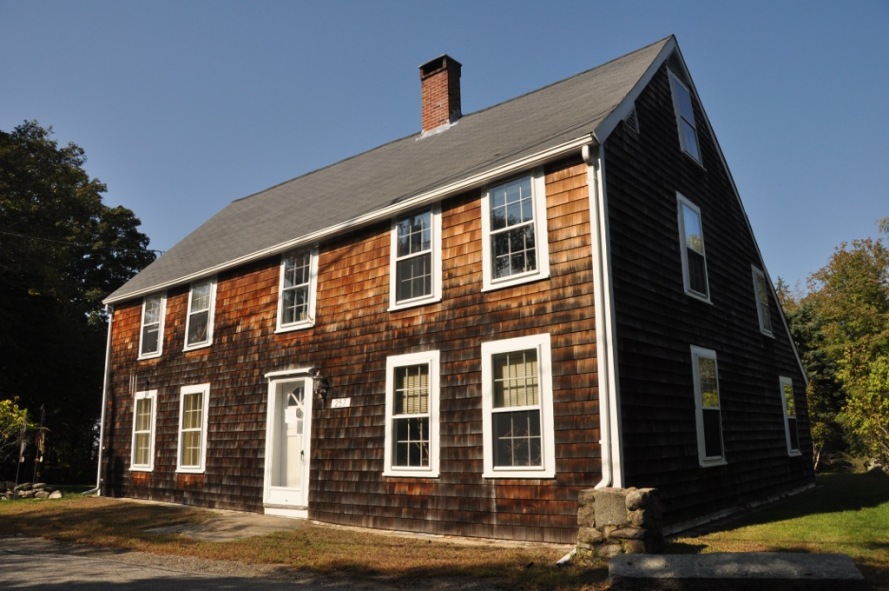
The left section of the Ella Proctor Herrick house at 189 Concord Street shows clear evidence of 17th-century construction. The right side was added in the 18th century. The house is on the National Register of Historic Places. Prudence Fish notes that it is indisputably a First Period house.
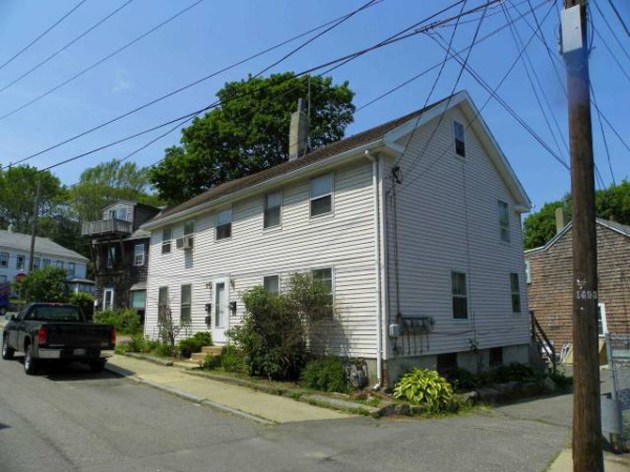
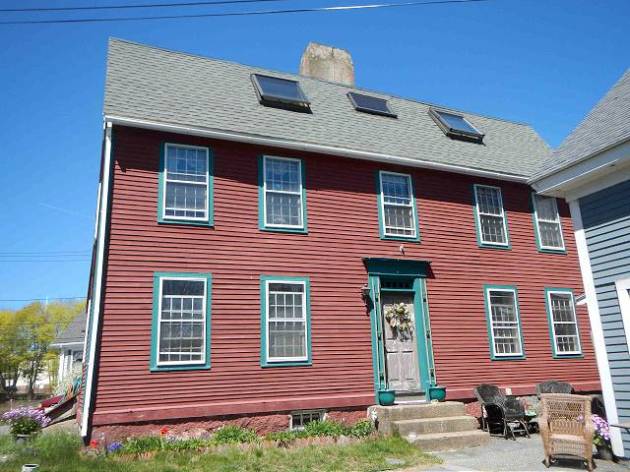
The house at 10 East Main St. was occupied by the Sanders family from about 1740 to 1807. Capt. John Sa(u)nders, b. 1713, was the 3rd son of Thomas Sanders, a shipwright “of great enterprise” who appeared in Gloucester in 1702 and owned land at the head of the harbor (where this house is) by 1704. John, apparently a mariner, bought the piece of property now 10-12 East Main Street from his father in 1736.
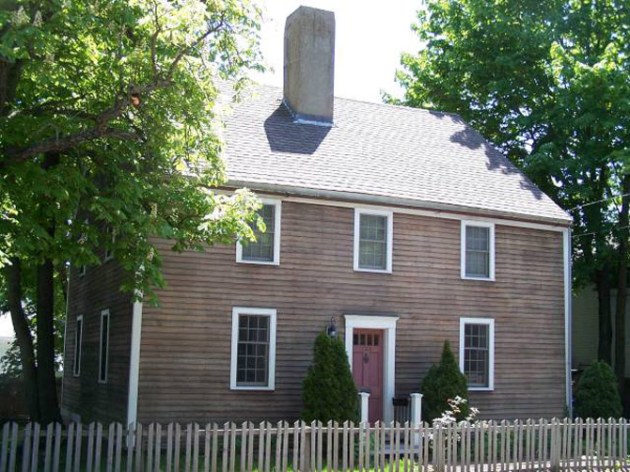
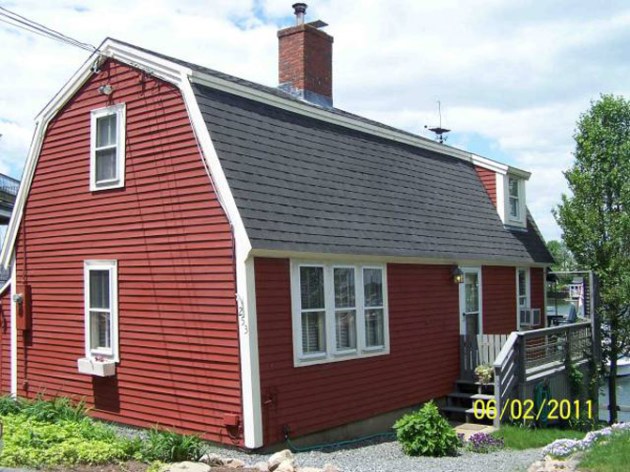
Babson wrote that “the first John (Smith) had a house, in which he dwelt, in Eastern Point, near Peter Mud’s Neck (Rocky Neck), before 1702” (p. 159). Since No. 253 East Main lies about 20′ from the body of water called Smith’s Cove, opposite Rocky Neck, this house may thus be of great historical and architectural significance and may date to the early 18th century.
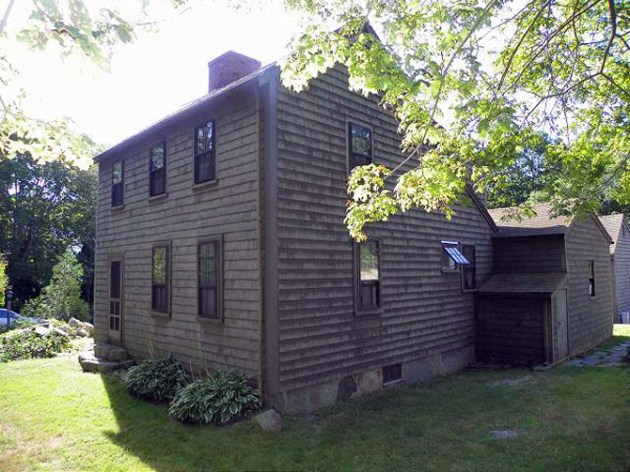
This was built around 1720 by Samuel Strowbridge in Canton. Samuel Temple of the Tucker strain bought a plot on the Point in the brush across the road from the Frederick Hall Chateau, with a right of way, and disassembled and moved the house in 1924 in seven truckloads, for $7,200.
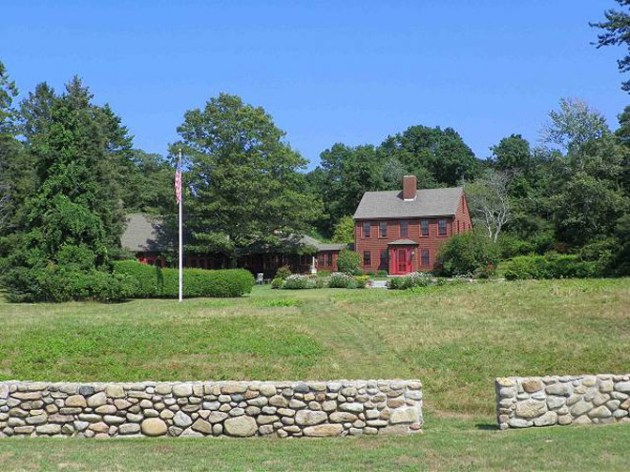
The First Period core of the building was the Coffin House, originally located in East Gloucester Square. In 1927, it was rolled down to the town wharf, put on a barge, transported to Wharf Beach, and dragged to its present location.

In 1709, Jacob Davis acquired a grant of land at the head of the Little River, and by 1712, he had built this house and a mill on it. For most of the 18th century, the house was used as a hostel and tavern. In 1860, it was purchased by Robin Freeman, an escaped slave, and it remained in the Freeman family until 1929. It was then purchased by Peter Keffer, who undertook the restoration of the property. It now serves as part of a homeless shelter and is listed on the National Register of Historic Places.

The house at 396 Essex Avenue was built as a tavern and stage stop in 1768 by a member of the Haskell family. The Herricks were living in the house by the mid-19th century and were probably related to the Haskells by marriage. The early/mid-20th-century owners were the Oakes family.

The house at 423 Essex Avenue is part of a small cluster of 18th and 19th-century houses along Essex Avenue. The cluster is located about halfway between Little River and Walkers Creek (Haskell District) and follows the same linear settlement pattern found throughout West Gloucester. During the latter half of the 19th century, the area had a post office, a school, and shops.
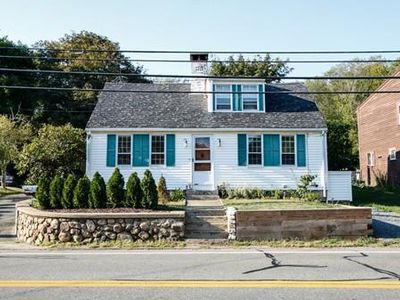
The house at 433 Essex Avenue is apparently the earliest house surviving in a small cluster of 18th and 19th-century houses along Essex Avenue. The cluster is located about halfway between Little River and Walkers Creek (Haskell_ District) and follows the same linear settlement pattern found throughout West Gloucester. During the latter half of the ±9th century, the area had a post office, a school, and shops.
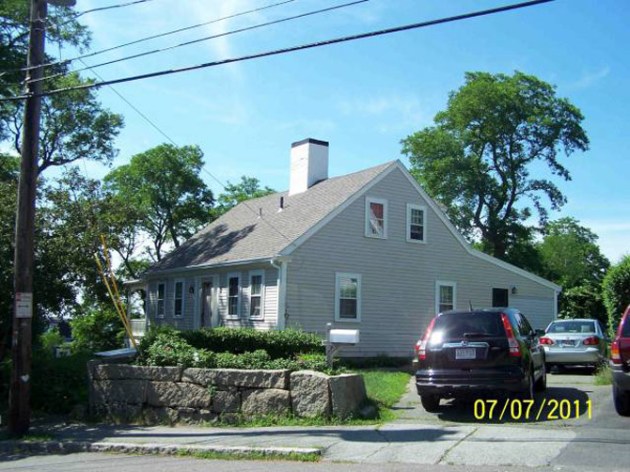
The 5-bay front section of 27 Fort Hill Avenue was the Amos Story house, which originally stood at the corner of Highland Street and Highland Place in East Gloucester. The house was moved here by Jonathan and Pauline Raymond in 1917.
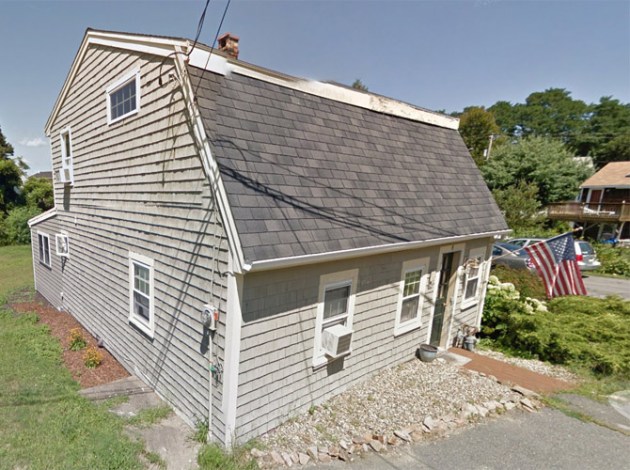
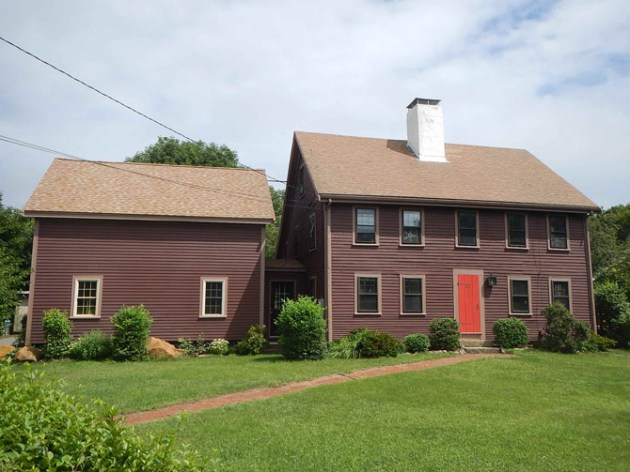
Anthony Bennett, a carpenter, probably came from Beverly, where he was living in 1671. He received a grant of land on the east side of the Mill River in 1679, where he built the house at 41 Gee Ave.
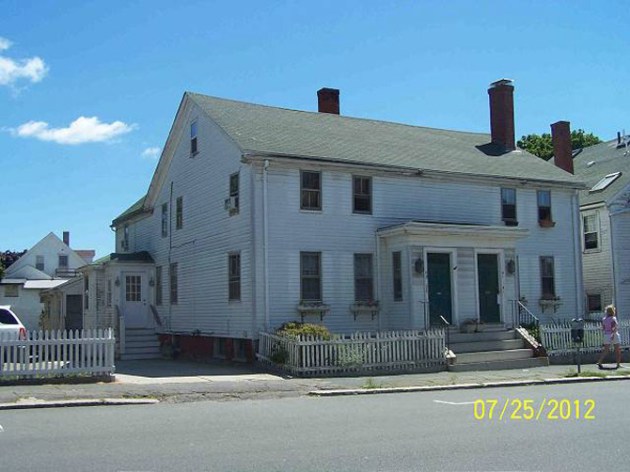

The house at 7 Hesperus Avenue was built in 1752 by William Moore, an Englishman. In 1775, Moore was seized by the crew of a British warship while fishing with his son, Joseph. Joseph was freed, but his father was sent to a prison camp in New York Harbor, where he died. Young Joseph was mathematically inclined and developed a new method of navigation. He published a navigation textbook and conducted a navigation school in his house for over sixty years. He was known as Master Moore. The Moore family continued to own the house until the early 20th century.
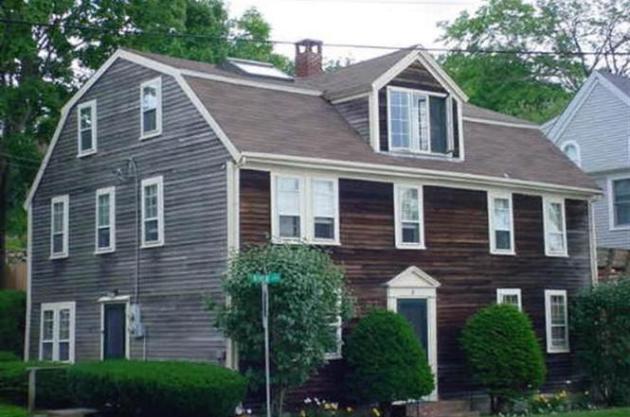
This at 11 Leonard Street was built c. 1700 and belonged to Capt. Andrew Harraden, a mariner. Harraden was probably the son of Edward Harraden, who settled across the street in 1656. At the time this house was built, Annisquam was a well-settled and prosperous fishing village. The house was used as barracks during the War of 1812. During the mid-19th century, the house was owned by successful boot and shoe manufacturer James S. Jewett. One of his products was a tall waterproof boot called a “red jack” boot.
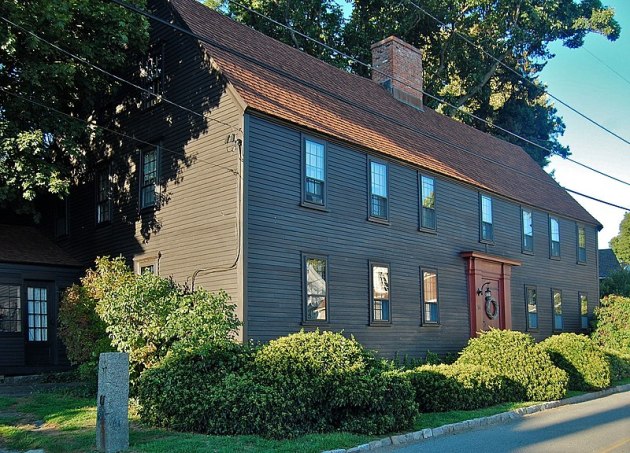
Edward Harraden purchased the property at 12-14 Leonard Street in 1656-57 and is believed to have built the oldest portion of the house shortly thereafter. The house was part of the fishing hamlet developed in Annisquam during the 17th century, the oldest of several such hamlets founded in Gloucester in the 17th and 18th centuries.
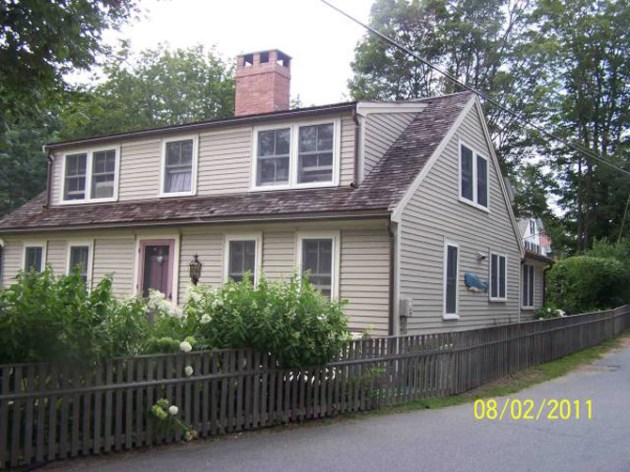
The cape at 28 Leonard St. was built c. 1740 when Annisquam was a prosperous, self-contained fishing village.

The house at 53 Leonard Street was probably built during the Revolution. At that time, shipbuilding and foreign trade activity relocated from Gloucester Harbor to Annisquam because it was better protected from the British. The new economic growth brought increased prosperity to Annisquam and expanded physical development. Fishing also continued to prosper during these years.
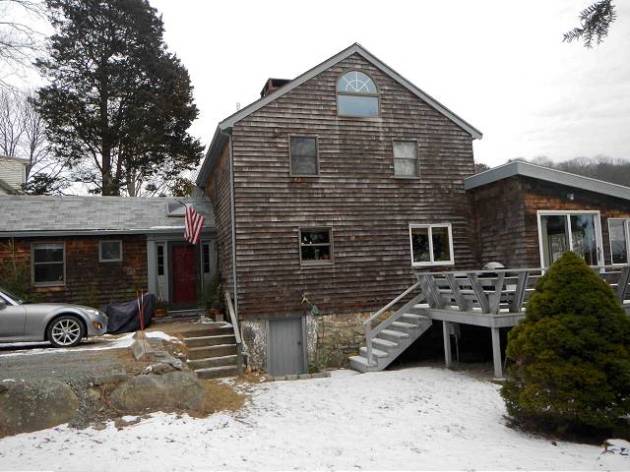
The house at 62 Leonard Street is attributed to Joseph Yorke. He purchased the land in 1708 but constructed this house c. 1717. He also built a wharf and a warehouse nearby and was probably a fisherman. At that time, Annisquam was a prosperous fishing village. Yorke’s daughter married William Young, who became the second owner of the house. In addition, he owned all the land from here to Ipswich Bay at Squam Rock and land at Bent Pasture on Annisquam’s west side. This is one of the oldest surviving structures in Annisquam. It was built as a two-family house sharing a central chimney.
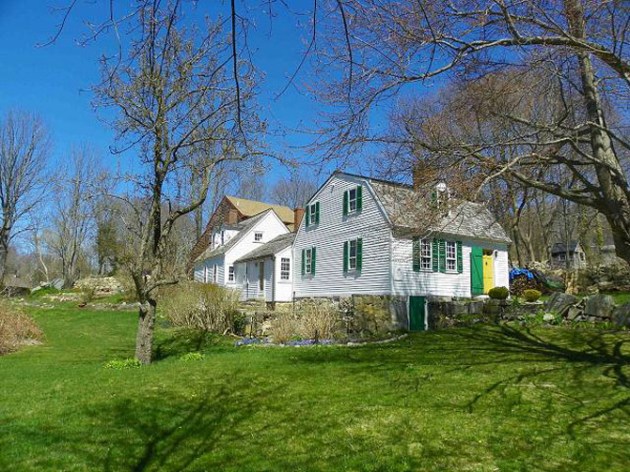
The owner of 146 Leonard Street provided the following information: This house was built in the 1760s by Oliver Griffin, most likely right before or after his marriage in 1761. He built this house on land he received from his father, Samuel Griffin, a housewright, who lived in an early 18th-century house behind this house at the end of Dennis Ct.
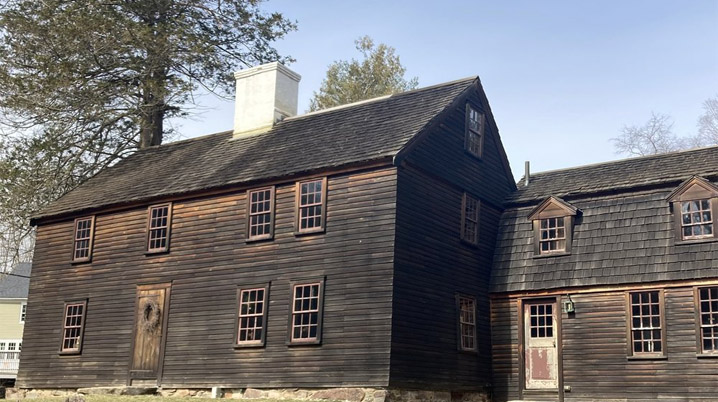
The building at 11 Lincoln Street was the subject of several articles in the 1920s and 1930s and of measured drawings by Frank Chouteau Brown as a well-preserved example of First Period architecture. Richard Window, a carpenter, had as early as 1651 a house and ten acres of land here at Walker’s Creek. He sold his property in about 1652 to William Haskell, the forebear of one of Gloucester’s largest families. Haskell was from Somerset, England. He came to what is now Beverly with two brothers about 1638. A few years later, he settled in Gloucester at Planters Neck (Annisquam) and married Mary Tybbot in 1643. He was one of the first deacons in the first “Church, a selectman for several years, and served as a representative as well. He died in 1693. His descendants continued to live in the area into the 20th century and still live in Gloucester today. This house stayed in the Haskell family into the 1870s. By 189,9 it belonged to A. Ireland, a farmer who owned a number of houses in the area and a considerable amount of land.
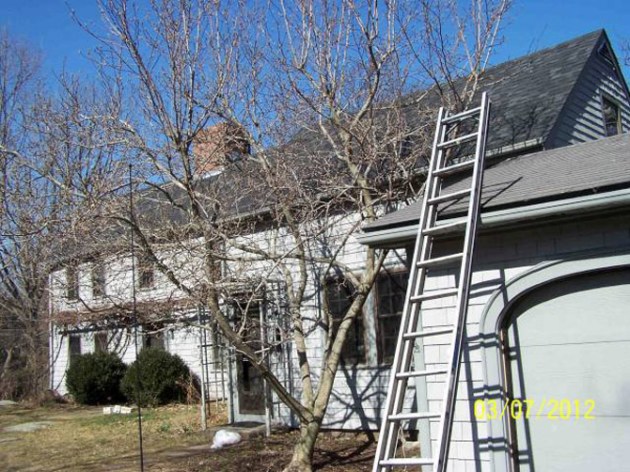
The house at 6 Mason Square is one of the two oldest houses at Folly Cove and possibly dates from the mid-18th century. It is part of the fishing hamlet at Folly Cove, which was settled during the early years of the 18th century. As in other areas of Gloucester, it developed into a family district with the Woodburys, Polands, and Saunders virtually the only families living here throughout the 18th and 19th centuries.
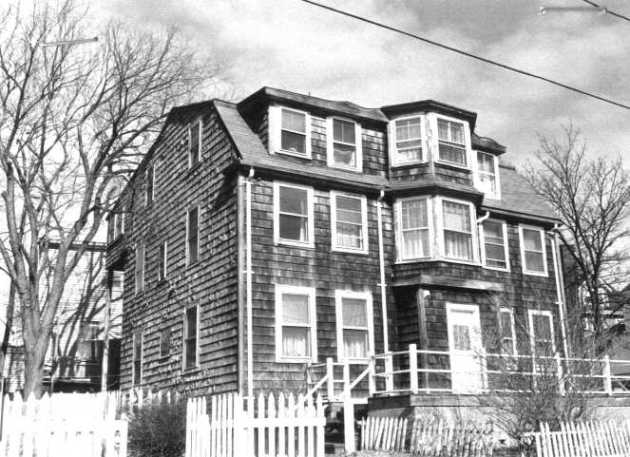
Captain Charles Babson and his family owned No. 12 Middle from 1851 through 1900. Babson is described as a seaman in 1860 and as a Main Street grocer in 1885.
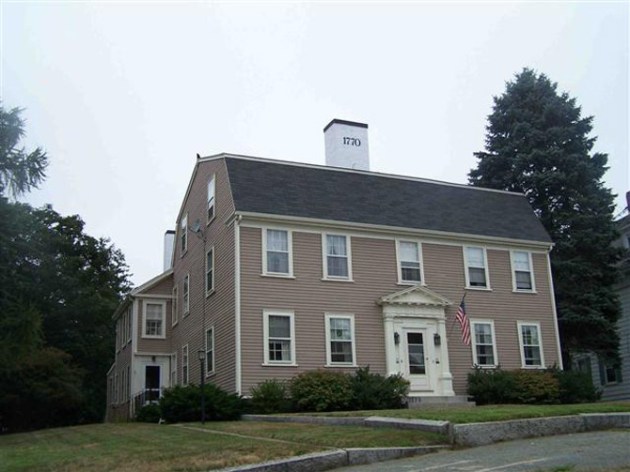
This dwelling on the historic west end of Middle Street was near the Town House, early churches, the harbor, the stagecoach terminal, and the tavern. Capt. John Somes, president of the first bank in Gloucester, was also a privateer captain.

21 Middle Street, built in the mid-1800s, was originally the home of sea captain George Rogers.
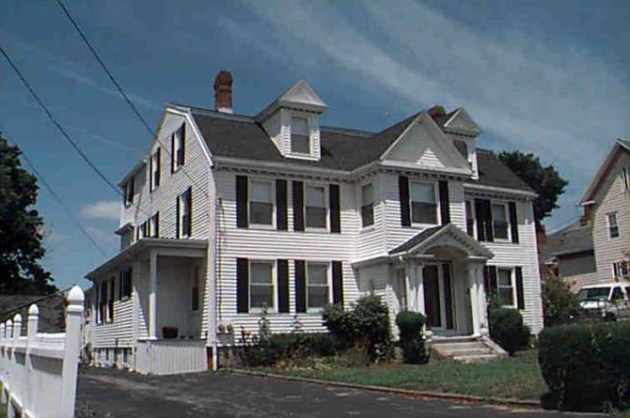

Parson Chandler, Pastor of First Parish in Gloucester, 1751-1775, was born in Andover in 1713, graduated from Harvard in 1735, married in 1738, and preached in York, Maine. He came to Gloucester in 1751, where he remained pastor until his death. He kept a journal with accounts of the day and how he spent time drinking tea with his parishioners and attending their marriages and deaths, praying with them “under great conviction”. Accounts of the smallpox, the dark day, earthquakes felt here; visitations to families where loved ones were lost at sea; and young people being catechised and begging for enlightenment, bring to us the varied pursuits of this man, other than his Sabbath Day lectures. He built his home at 51 Middle St. with his own hands.

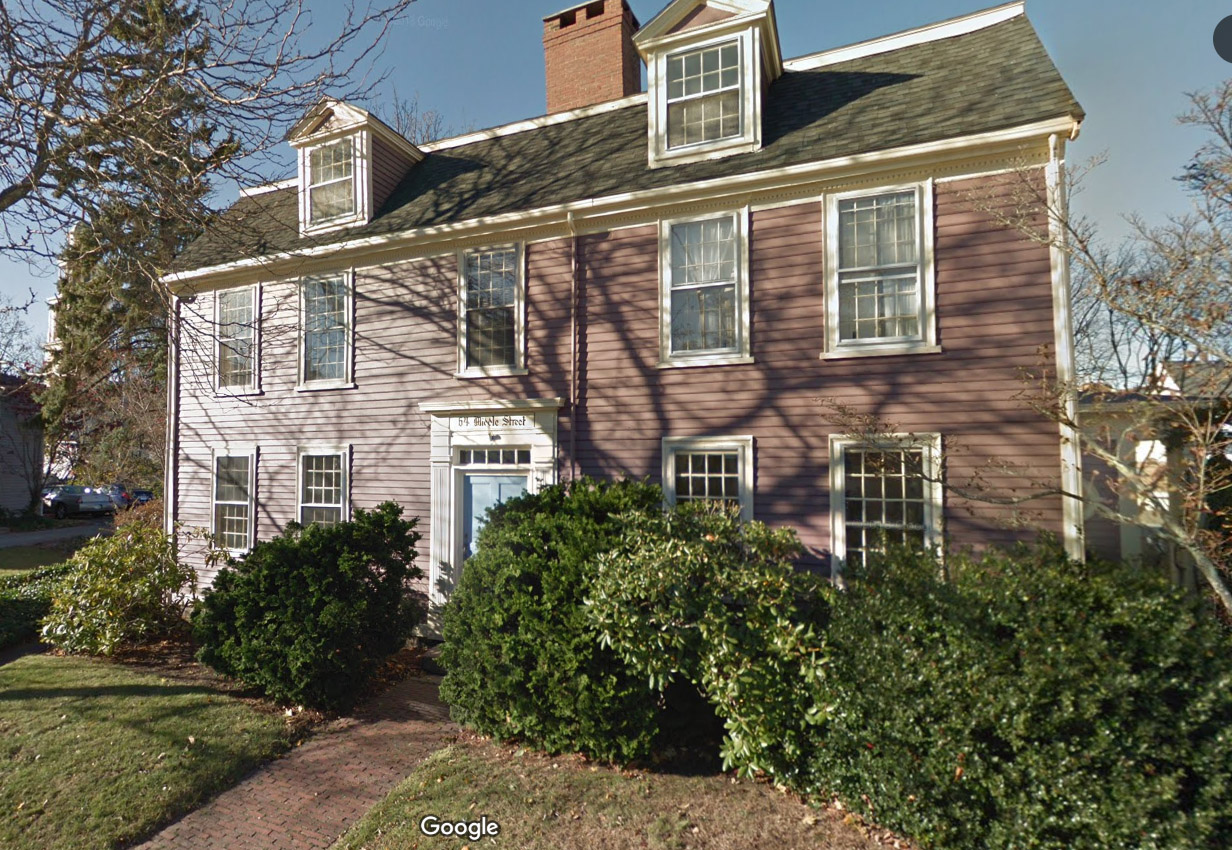
Daniel Rogers was born in Chebacco, Essex, in 1733, and he died in 1799. He built the house at 54 Middle Street soon after his marriage in 1759. He had by two wives, twenty-one children, giving each at marriage a house, and upon the birth of a grandchild, each baby received a silver porringer. He was a prosperous man, owning at the time of his death the largest fleet sailing out of Gloucester.

Home of Col. Joseph Foster, Revolutionary Patriot, and defender of Gloucester when the British ship “Falcon” fired on Town, hitting the steeple of First Church Meeting House close by his home. He was also a benefactor of citizens impoverished from war, telling them to take what they needed from his farm at Beaver Dam and his store. He was a very successful merchant and is frequently mentioned in the early history of the Cape Ann example of gambrel roof type of construction. The first gambrels were built about 1670, and as early as 1613, the Dutch of New York and New Jersey were using a variant of the gambrel form. There is no English precedent, and it is supposed that New England got the idea from the Dutch settlers.


Near this site was the barber shop of Rebecca (Broome) Ingersoll, who was the daughter of tavern keeper James Broome. Her husband was Andrew Ingersoll, by whom she had a daughter, Becky, who inherited her mother’s skill as a barber and continued the business at this location. Through their association with all classes of people, landsmen, and seamen, they acquired a fund of information and were lively, intelligent, and agreeable talkers, rather unusual for females to be in public life in those days.
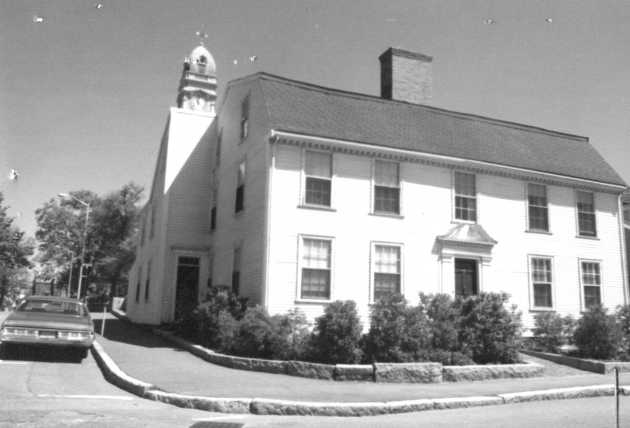
In 1948, the Association inherited from Mrs. Samuel H. Mansfield (Carrie Esther Parsons) the very beautiful pre-Rev. War house at 90 Middle Street. For years, the house had occupants by the name of Hardy, and therefore the name “Hardy-Parsons House”. It was built in 1760 for Captain William Dolliver. Judy Millett had a school here for small children in the west room.
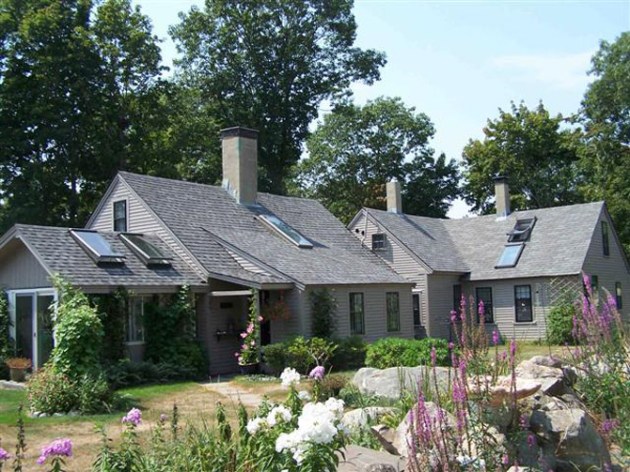
The first documented owner of No. 62 Mt. Pleasant was Thomas Hillier. Hillier came to Eastern Point in 1810, becoming the tenant farmer of Daiiel Rogers’ huge Eastern Point farm and owner of a large part of the Great Pasture on the Point. Garland reports that No. 62 was built in 1754 and bought by Hillier in 1812, although the deeds could not be found to document these dates. Daniel Webb Hillier, probably Thomas’s son, bought the property in 1833. Also a farmer, he bought the land with a dwelling house, barn, and outbuildings on it, and probably added the simple Greek Revival wing to the main house at this time. At D.W. Hillier’s death in 1882, the farm and farm buildings were valued at $2950, and the household furnishings at $400. Daniel E. Hillier, son of Daniel Webb Hillier, inherited the property and is described in directories as a stonecutter, laborer, and poultry dealer.
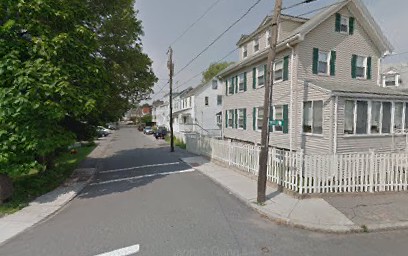
Myrtle is not pictured here on the 19th-century maps. Residents report that this building, with several other early buildings in a group here, was moved to Myrtle Square from Middle Street about 1917. The unfashionability of true colonial buildings– even so fine as this one– in the Colonial Revival period of building is ironic but well displayed in this situation. This unusual duplex building is significant for its excellent composition, superior craftsmanship (doorways are particularly outstanding), and highly intact condition.
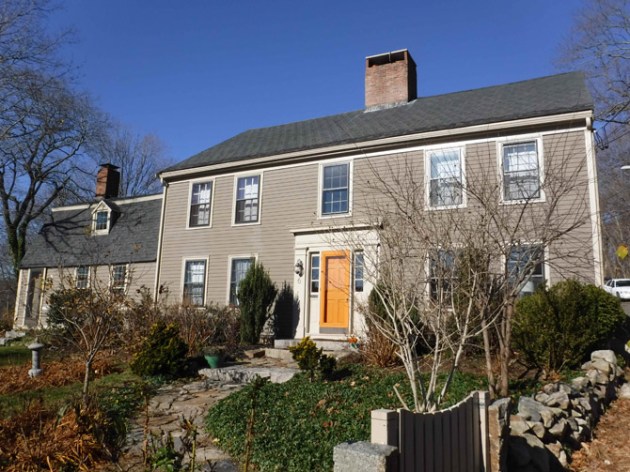
In 1728, John Harraden sold a half-acre house lot on this site and 11 acres of pasture to Rev. Fenjmin Bradstreet, the first pastor of the newly formed Third Parish. Bradstreet may have built a portion or the core of this house. By 1755, James Davis, Jr. bought from James Davis land west of the standing house with privileges to build an adjoining house. Davis may have built the small gambrel wing or added two bays to an existing half house. A later owner 1 was Rev. Ezra Leonard, who bought the house in 1806. Leonard served as pastor of the Third Parish from 1804 to 1832. He was responsible for converting his church to Universalism in 1811.
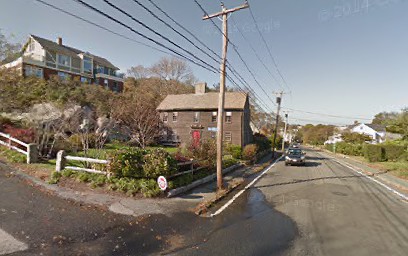
The house at 1 Old Salem Rd. in Gloucester is possibly the oldest in the Stage Fort Park area. It stands two and a half stories high and has a five-bay, center-entry façade. It is one room deep and has a center chimney. The door has an entablature crown, and the windows have slightly peaked lintels. There is a one-story gambrel-roofed rear ell. The history of this house was not readily accessible. During the last half of the 19th century, it was owned by John W. Bray. An A. Cressey lived here as well in 1851. Together, they owned a provisions store in the downtown area. By the end of the century, Bray owned a considerable amount of the surrounding land.
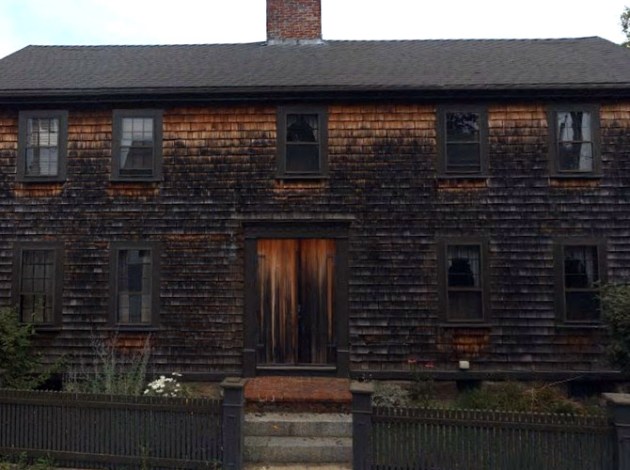
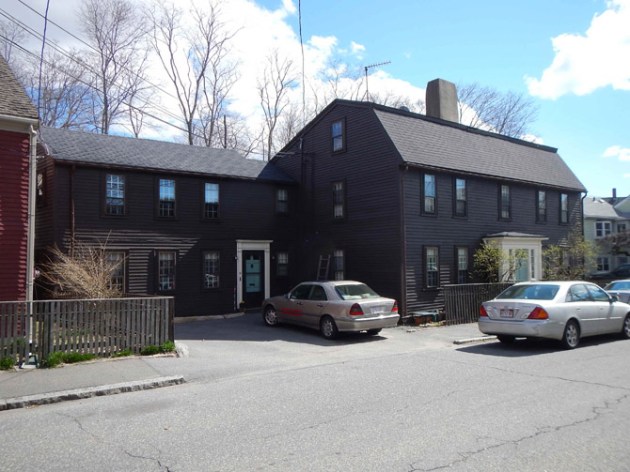
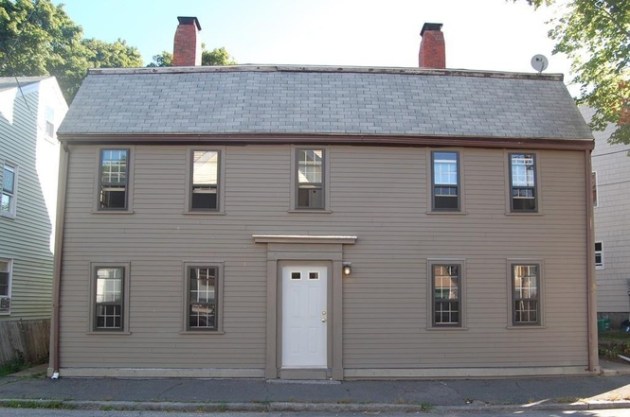
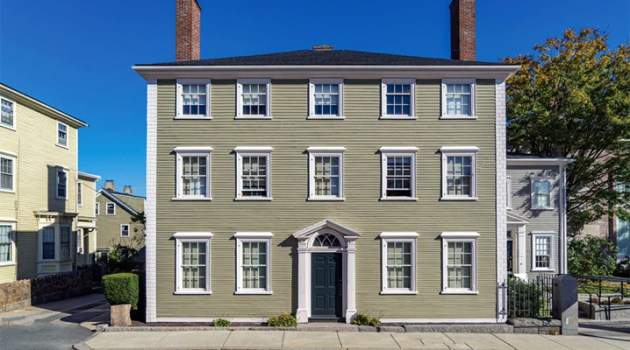
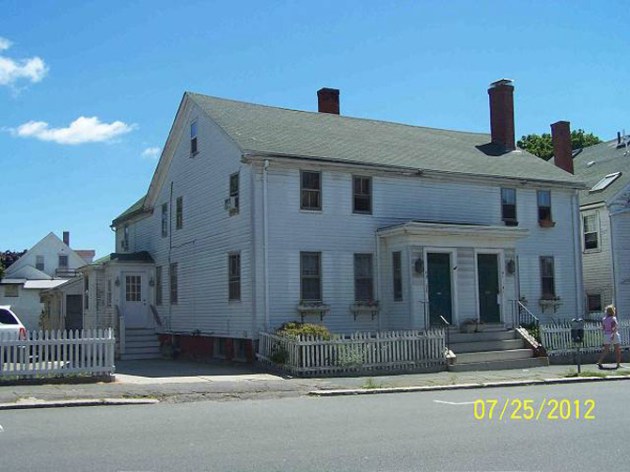
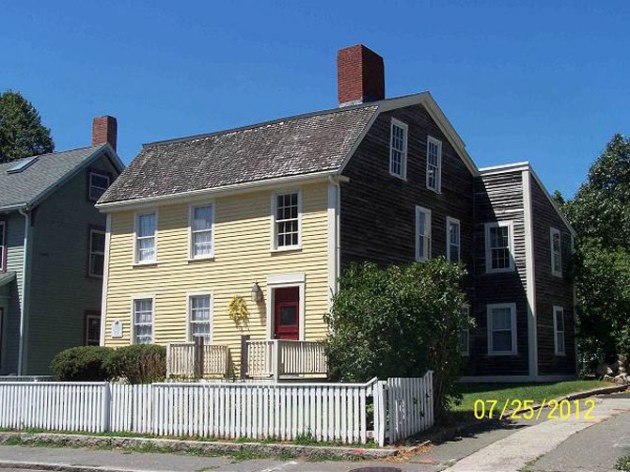

This house was probably built sometime after 1738. In that year, the Sandy Bay Road (now Revere St.) was opened all the way to Rockport. This endeavor was undertaken by the Church in Annisquam so that Rockport worshipers could reach the Third Parish meetinghouse, established at Annisquam in 1728. Thus, Revere St. became an important transportation route, a factor which would have encouraged building construction along the road.
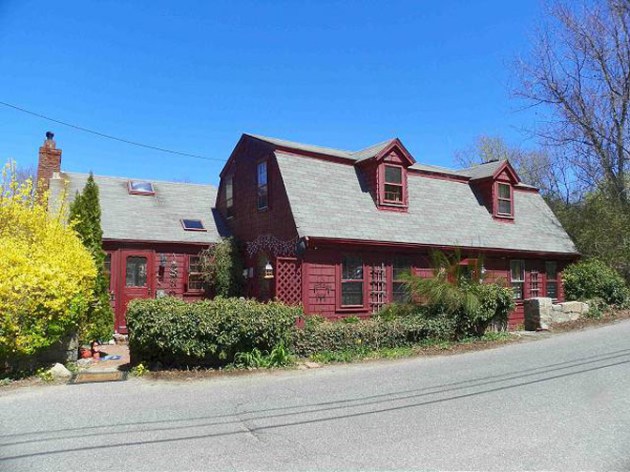
The gambrel roof at 26 Revere St. is similar to the house at 9 Revere, suggesting that they may have been both built in the mid-18th Century.

The house at 90 Revere St. was built in 1727 by George Dennison, who had settled in Gloucester around 1720 when he purchased property at Annisquam and Bay View. According to family tradition, George was born in Dublin in 1699 and at the age of 20, was impressed on board a British man-of-war which took him to Newfoundland. He is said to have escaped and reached Boston,n where he found employment as a clerk in the office of Sargent & Go., a prosperous trading company. Through his business connections, George acquired several vessels for cod fishing on the Grand Bank and for trading in the West Indies and became a wealthy man. Dennison established a farm on his property and reportedly operated a store in the northeast room of his house. In 1908, the Dennison Homestead was sold to Charles H. Hoyt, a Haverhill lumberman who cleared the property extensively. After several other transactions, the property was purchased by Earl E. Sanborn, a well-known stained glass artist.
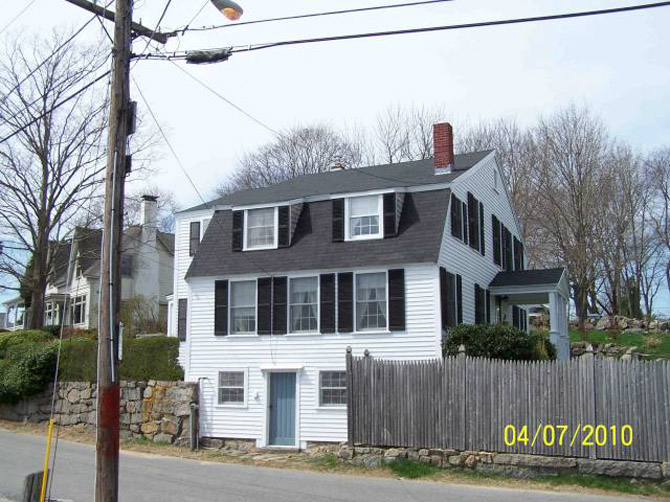
The Old Chard House on River Rd. was constructed by a family frequently associated with early Annisquam history.
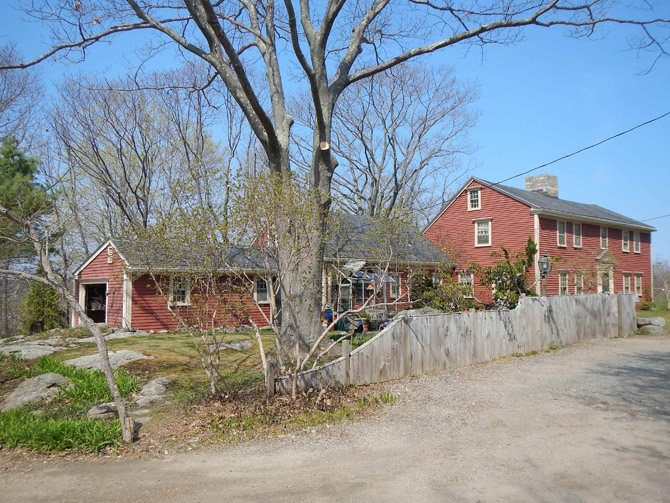
Known as the Shapley House, the dwelling at 15 Shapley Rd. was originally located in Thompson, Conn, and was moved to its present site in 193^ by Mrs. David Ingrham of Cambridge. According to the present owner, Mrs. H. Calvin Cook, the house was first built in 1718 by David Shapley, a weaver. Prom its appearance, the structure may have begun as a three-bay half house that was enlarged around 1770 when the elaborate doorway would have been added.
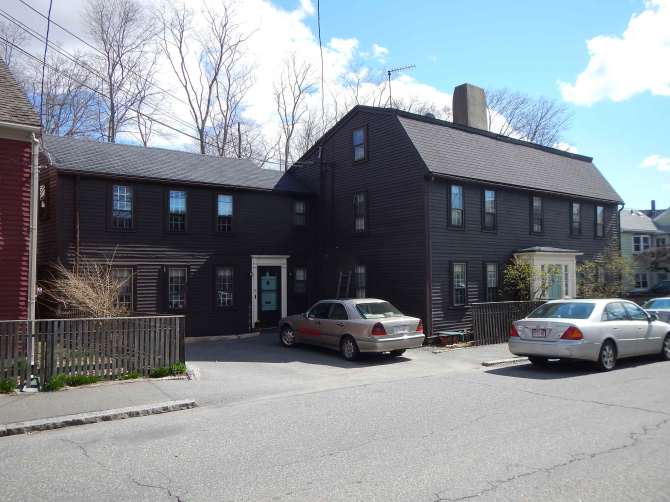
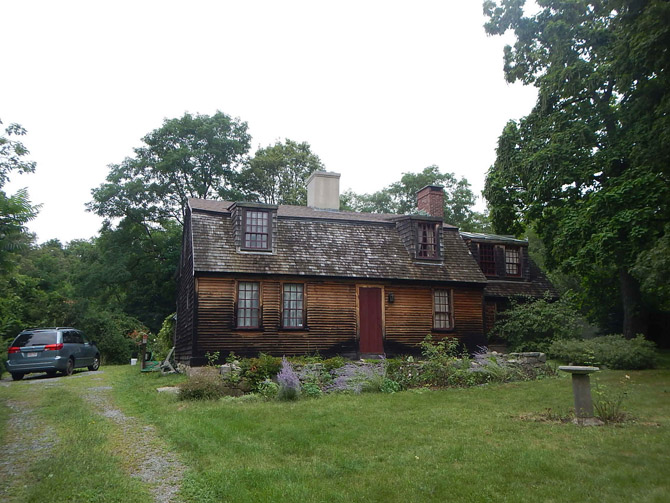
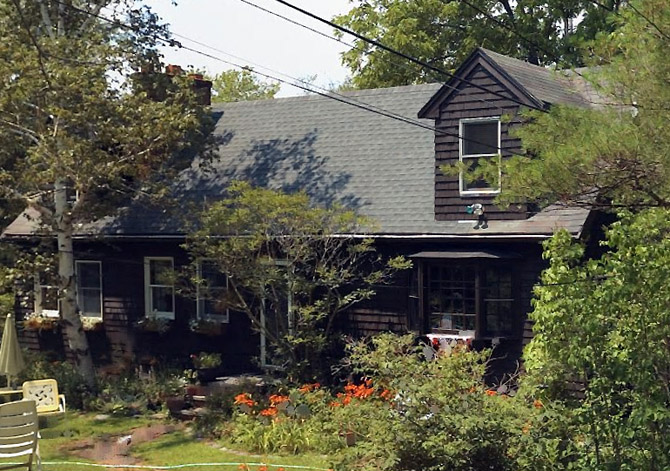
26 Walker Ct., circa 1660
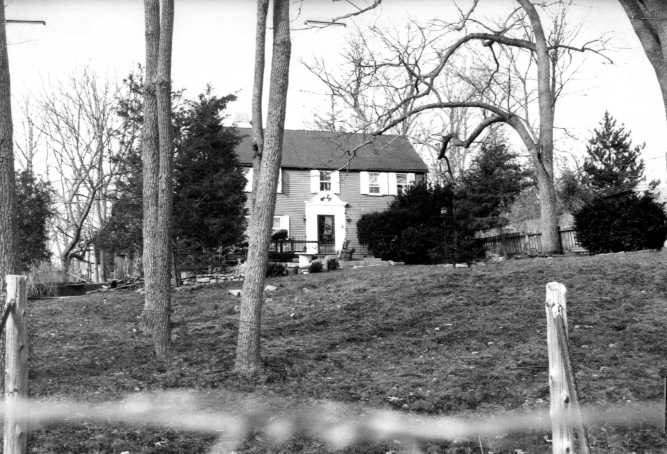
This house is located at Walker’s Creek and was probably built by a member of the Haskell family. William Haskell settled near here in 1652-1653, and his descendants remained clustered in the immediate area until the late 19th century. This house was owned by a Haskell into the 1870s. The area was primarily agricultural into the 20th century, and probably all of the owners until that time were farmers.
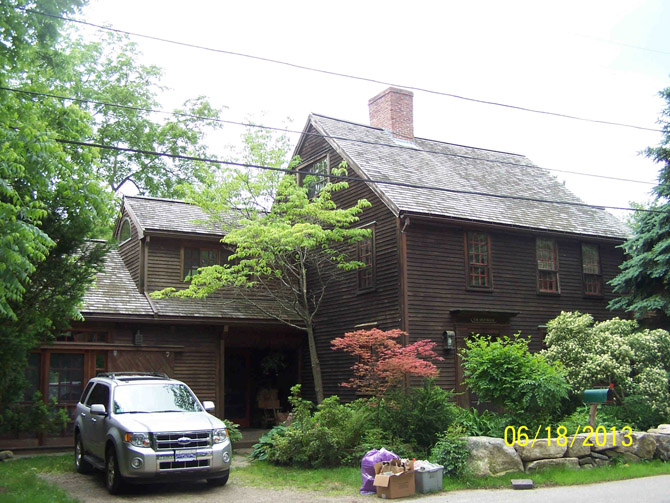
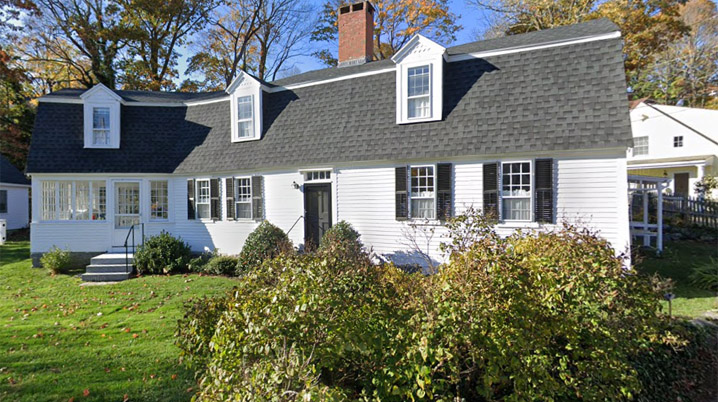
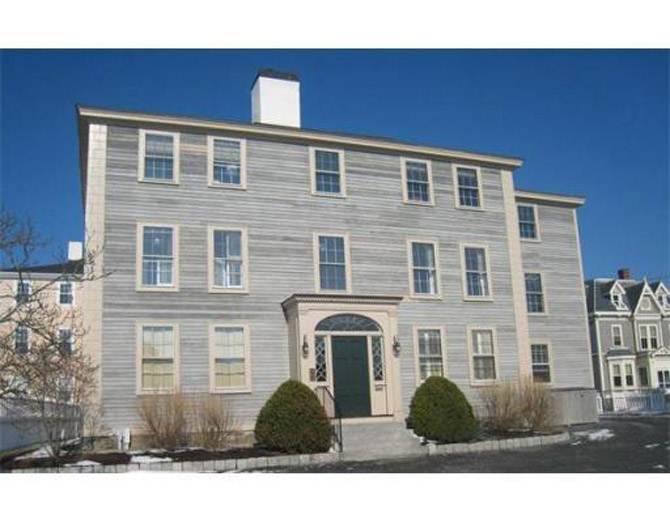
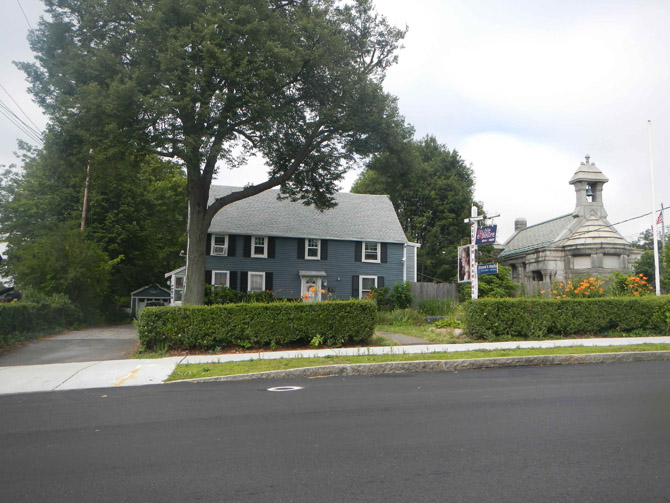
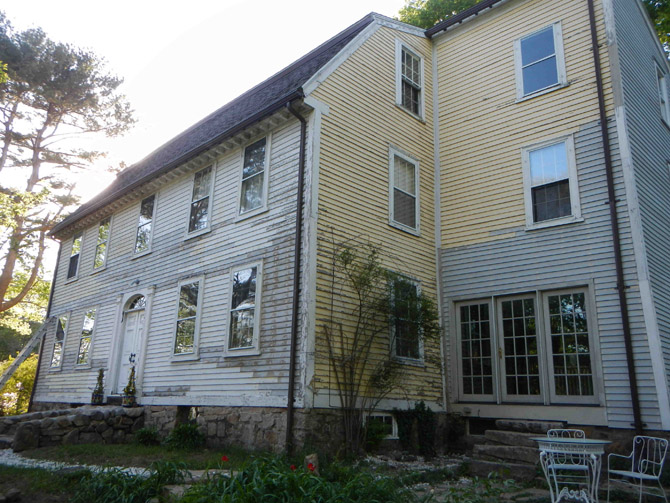
According to Babson’s History, William Allen built the house now at 245 Washington St. in 1740 at the Green. Allen sold the house to Boston merchant Isaac Smith when he left to resettle in Gloucester, Maine. Smith sold the dwelling to John Low, Jr., in 1779. Low was born in Gloucester in 1754 and earned his living through trade and involvement with various fisheries. Shortly after purchasing the house, he married Lucy Rogers, by whom he had eight children. One of his daughters, Elizabeth Gorham Low, married Nathaniel Babson. When Low died in 1801, the house passed to his daughters and eventually to Elizabeth’s son, Gustavus Babson. The property remained in the Babson family until well into the 20th century, when it was inherited by Elizabeth Ailing, the great-great-granddaughter of John Low.
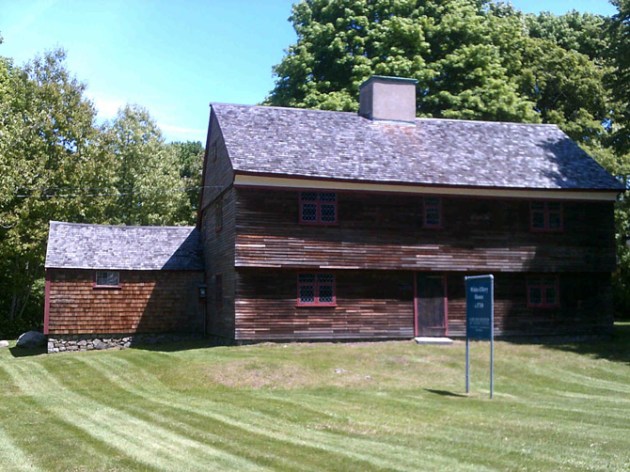
The White-Ellery House at 247 Washington St. was built in 1710 upon what was then the Town Green for Gloucester’s first settled minister, the Reverend John White (1677–1760). In 1735, the house was purchased by James Stevens and kept as a tavern. Captain William Ellery (1693–1771) took title to the property in 1740 and, after keeping the tavern in operation for a few years, used the house as a home for his family, which continued living in the house for six generations.
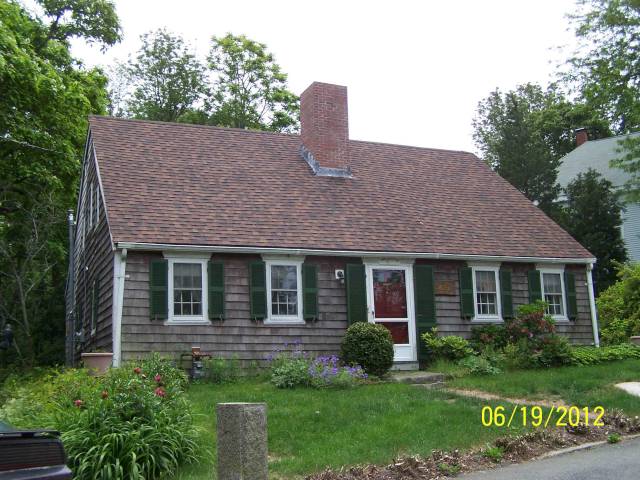
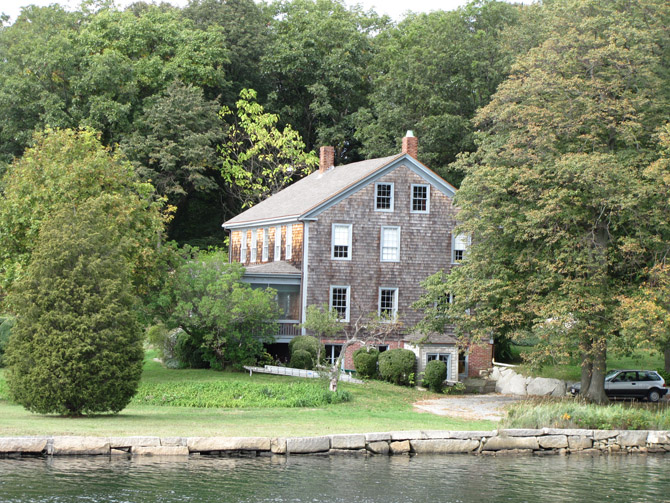
This house at 704 Washington Street in Gloucester is named for Francis Norwood, who settled at Goose Cove in 1664 on land granted to him from the Town of Gloucester and land that he purchased from John Pearce. Norwood is believed to have fled England, along with his father, during the restoration of Charles II. He died in 1709, leaving his dwelling house to his widow and sons, Francis and Caleb. The property remained in the hands of Norwood’s descendants until 1879. It was acquired that year by Audella Hyatt, wife of Alpheus Hyatt, who used the property as a base for marine research. The Gloucester Assessors database gives a date of 1730 for its construction, but the mass of this large house and double chimneys suggests the late 18th or early 19th centuries.
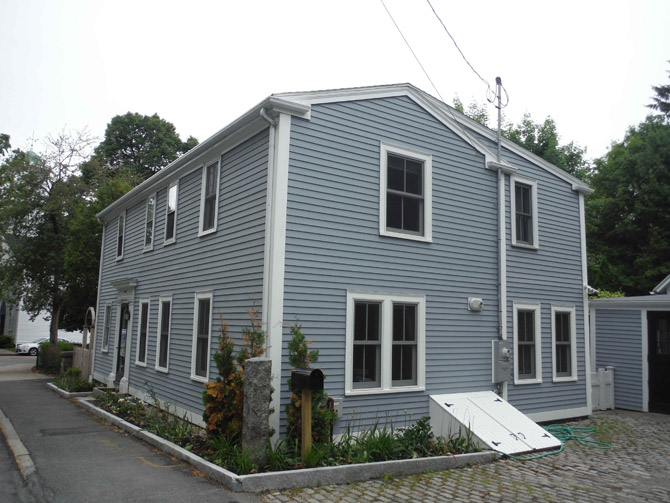
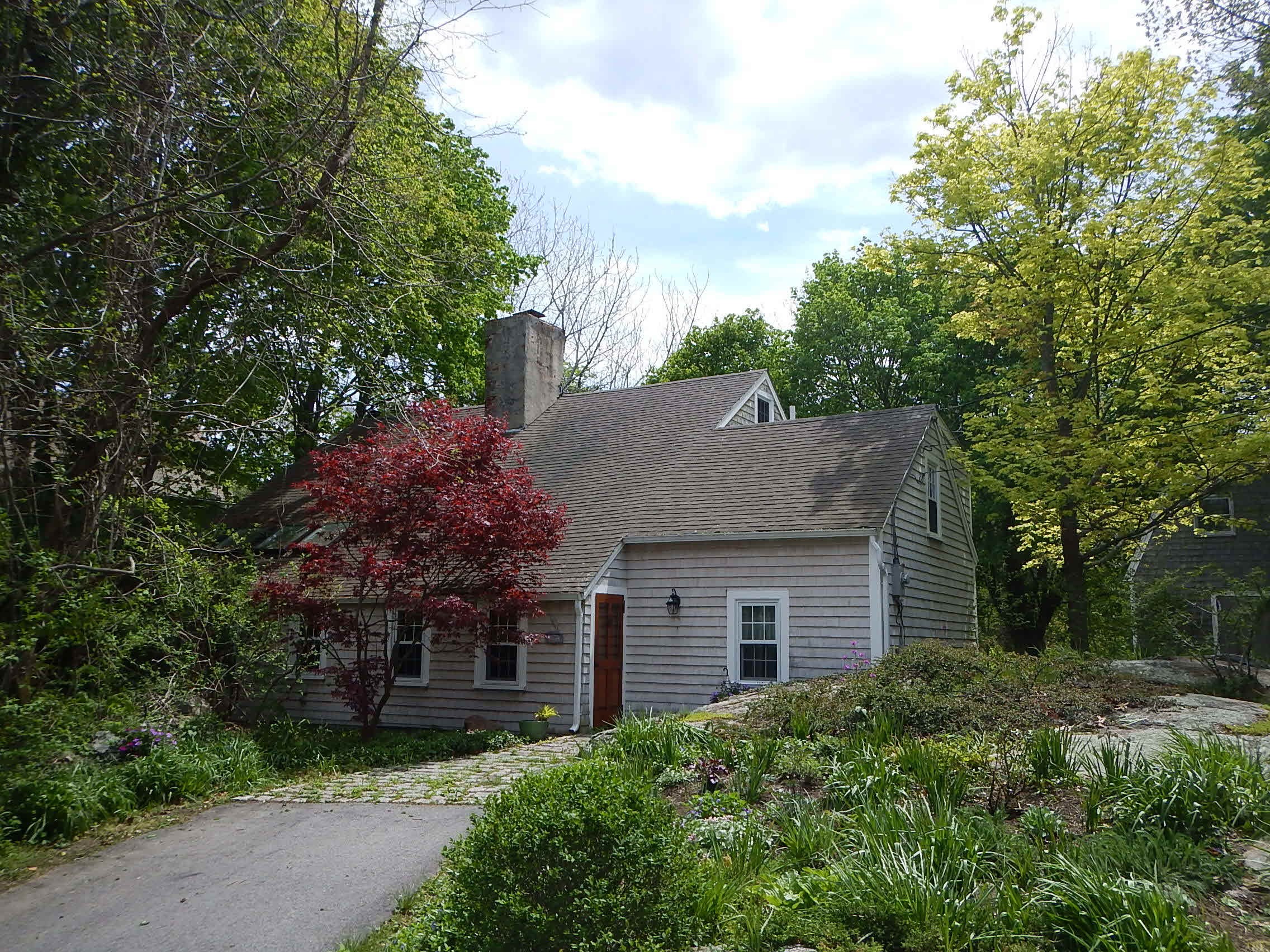
This house at 1107 Washington St. is said to have been built by a Haraden during the late 17th century. Edward Haraden settled in Annisquam in 1656, and one of his several sons may have built this house, which is possibly the oldest surviving structure in Lanesville.
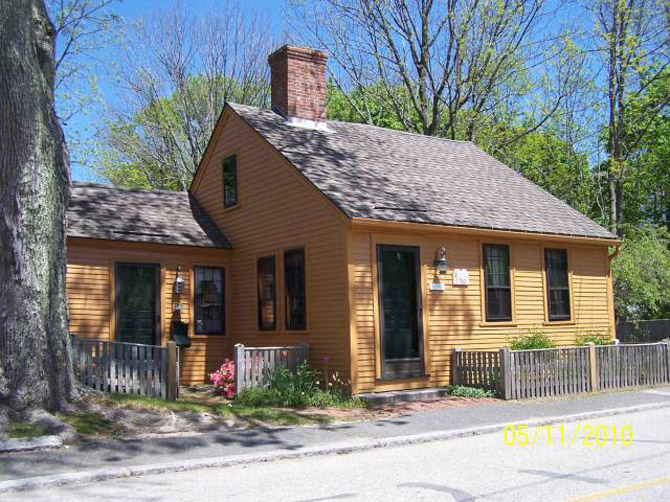
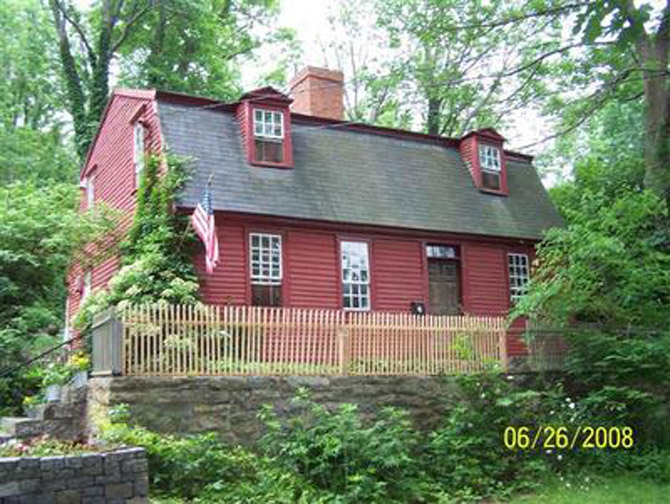
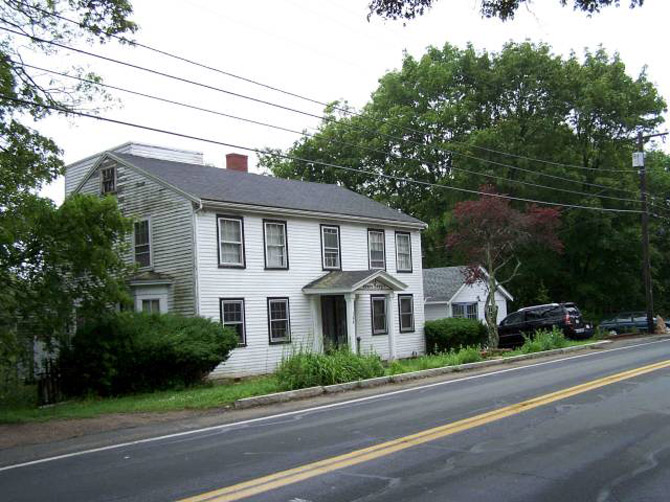
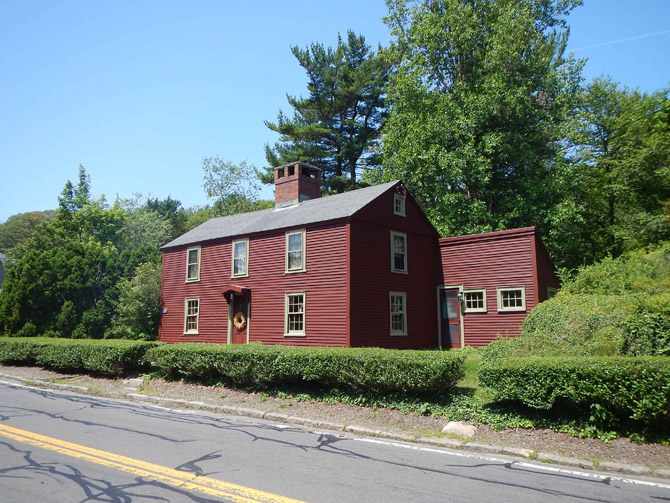
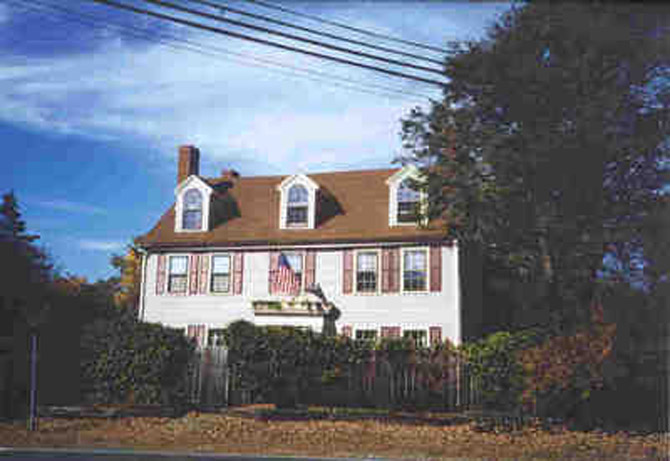
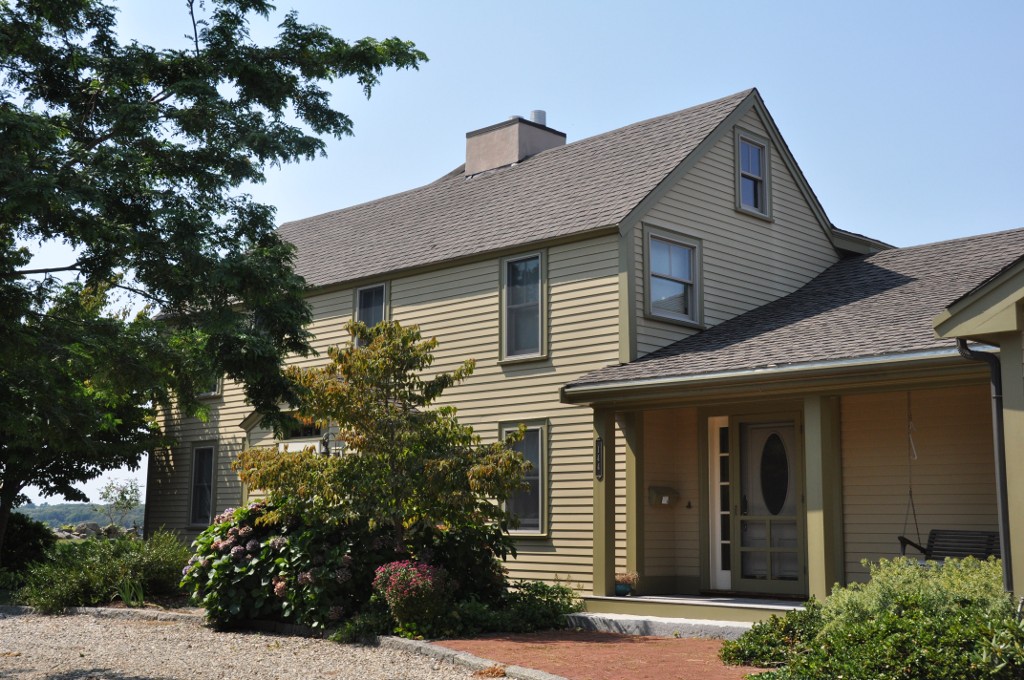
The house at 144 Wheeler St. was at one time believed to have been built earlier, in the 1660s, by a man named Richard Dyke. It is one of two First Period houses surviving on Wheeler’s Point, named for a later owner. The lean-to was added c. 1800. 1800. First-period features are visible in the right and left-hand chambers. Framing in the right-hand chamber presents an unusual combination of quirk beading and flat chamfering. The end tie beam has an inch-wide flat chamfer and lamb’s tongue stops. Corner posts have flat chamfers and no stops. The rear plate begins at the end wall with a flat chamfer, but a third of the way along the beam, the flat chamfer becomes a quirked bead (see photograph). The rest of the framing, including the one exposed brace, is quirk-beaded. The frame of the right-hand room also incorporates a ship’s knee to brace the front chimney post and chimney tie beam. In the left-hand chamber, the front and rear plates are exposed and quirk-beaded. During the restoration of the house, a quirked bead was observed on the longitudinal summer beam in the left-hand room.
 17th & 18th Century Houses of Essex County, Massachusetts
Nice but wrong pic for 47 Prospect Street!
R. Booth
47 prospect St
Gloucester
LikeLike