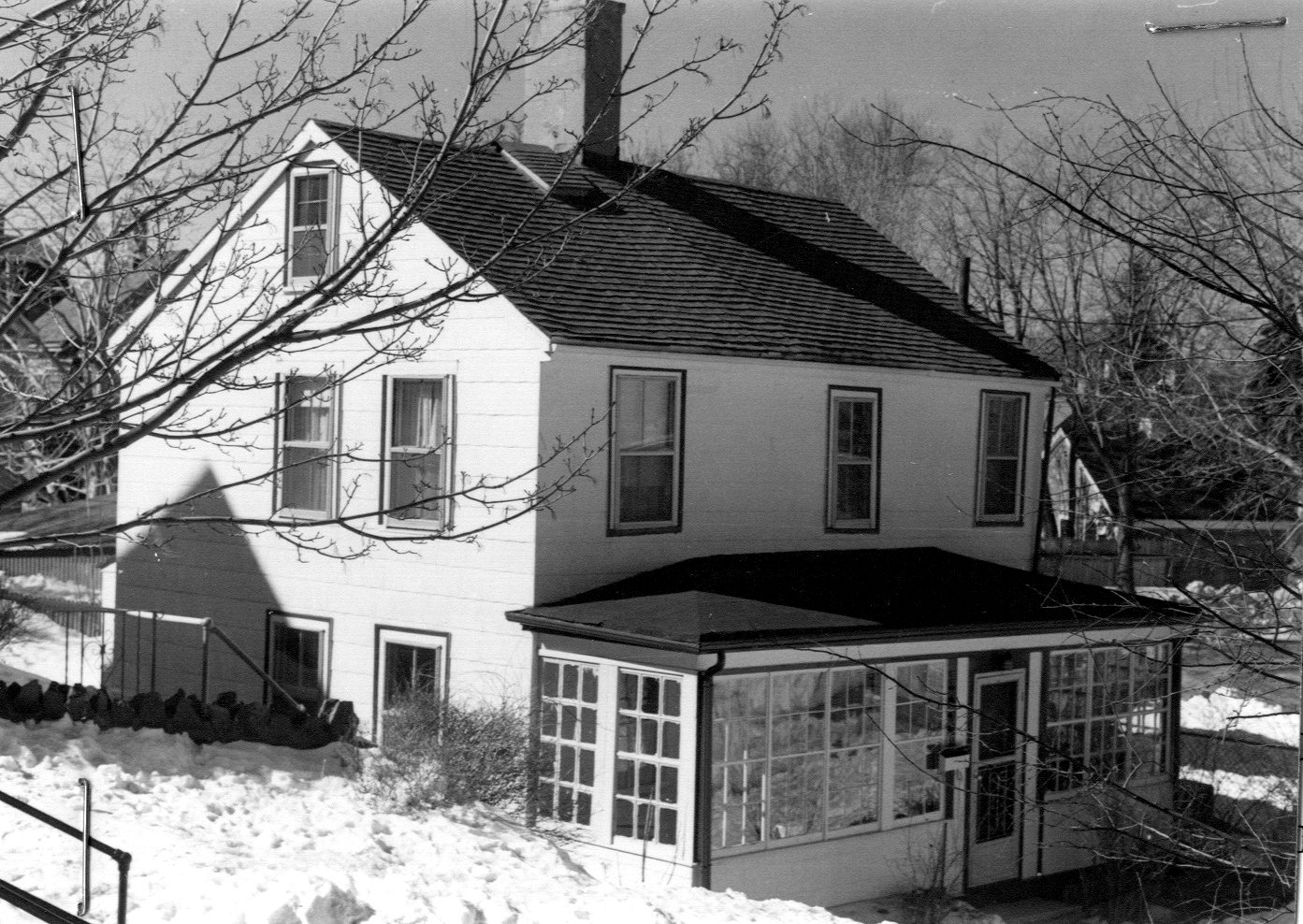
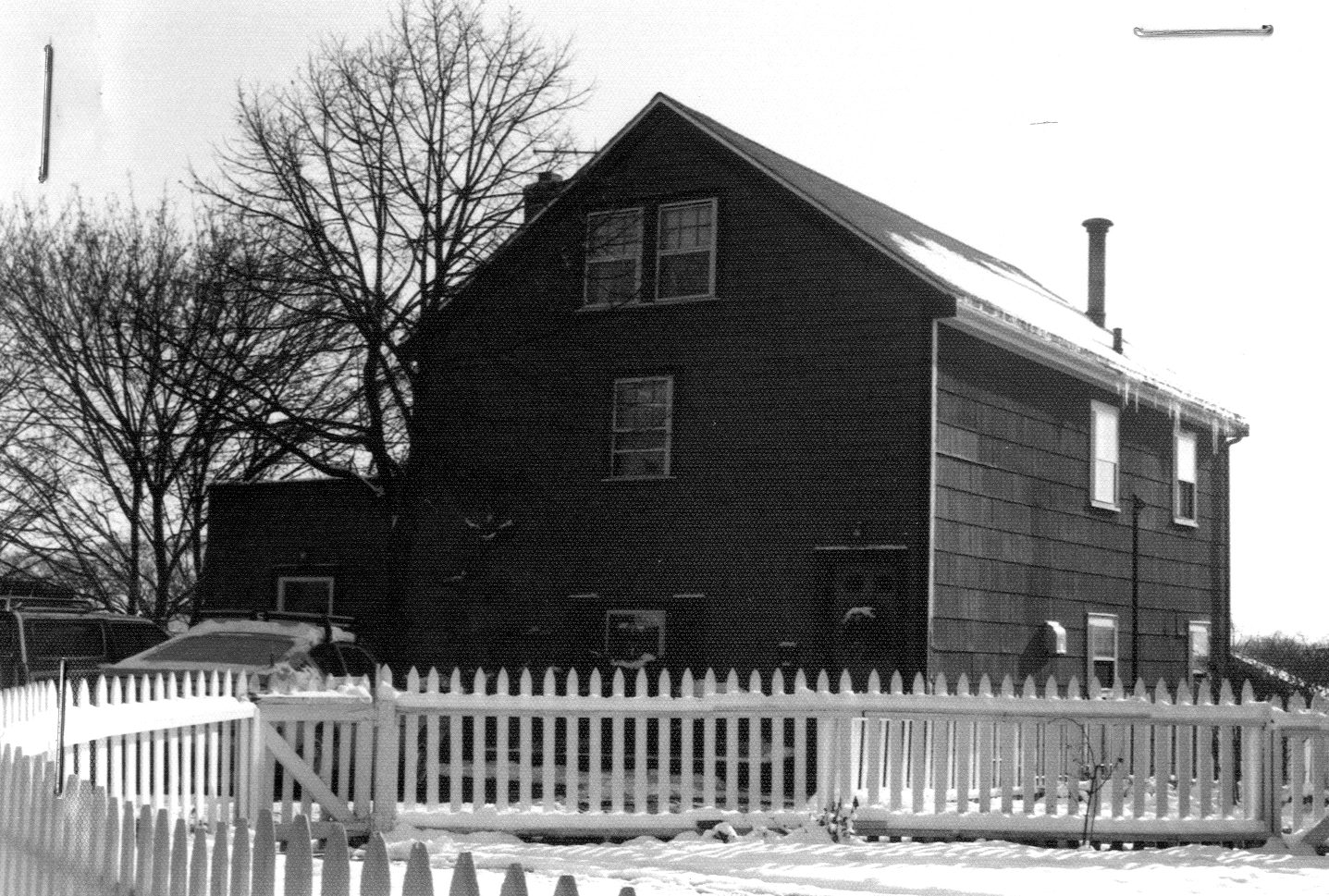
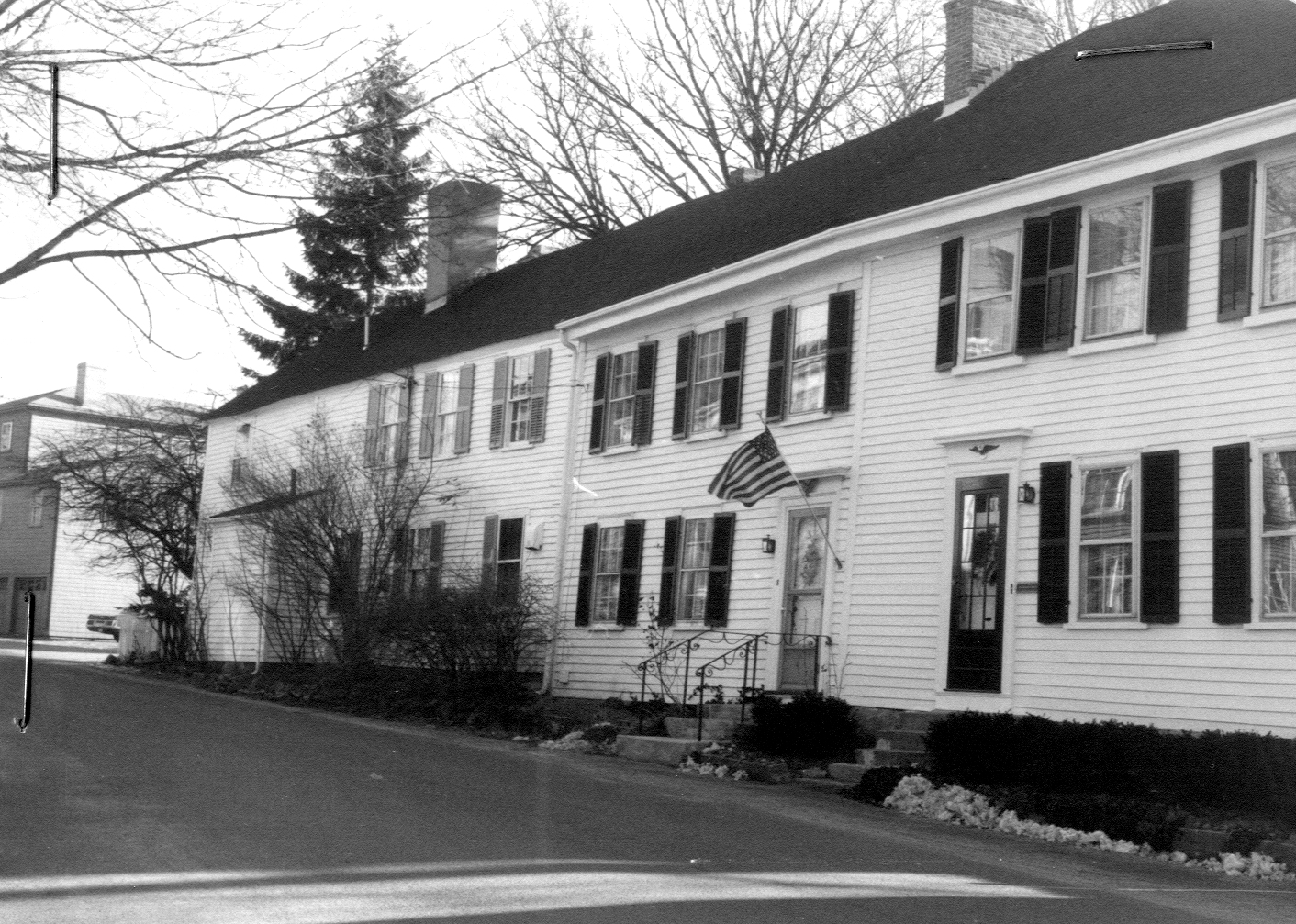
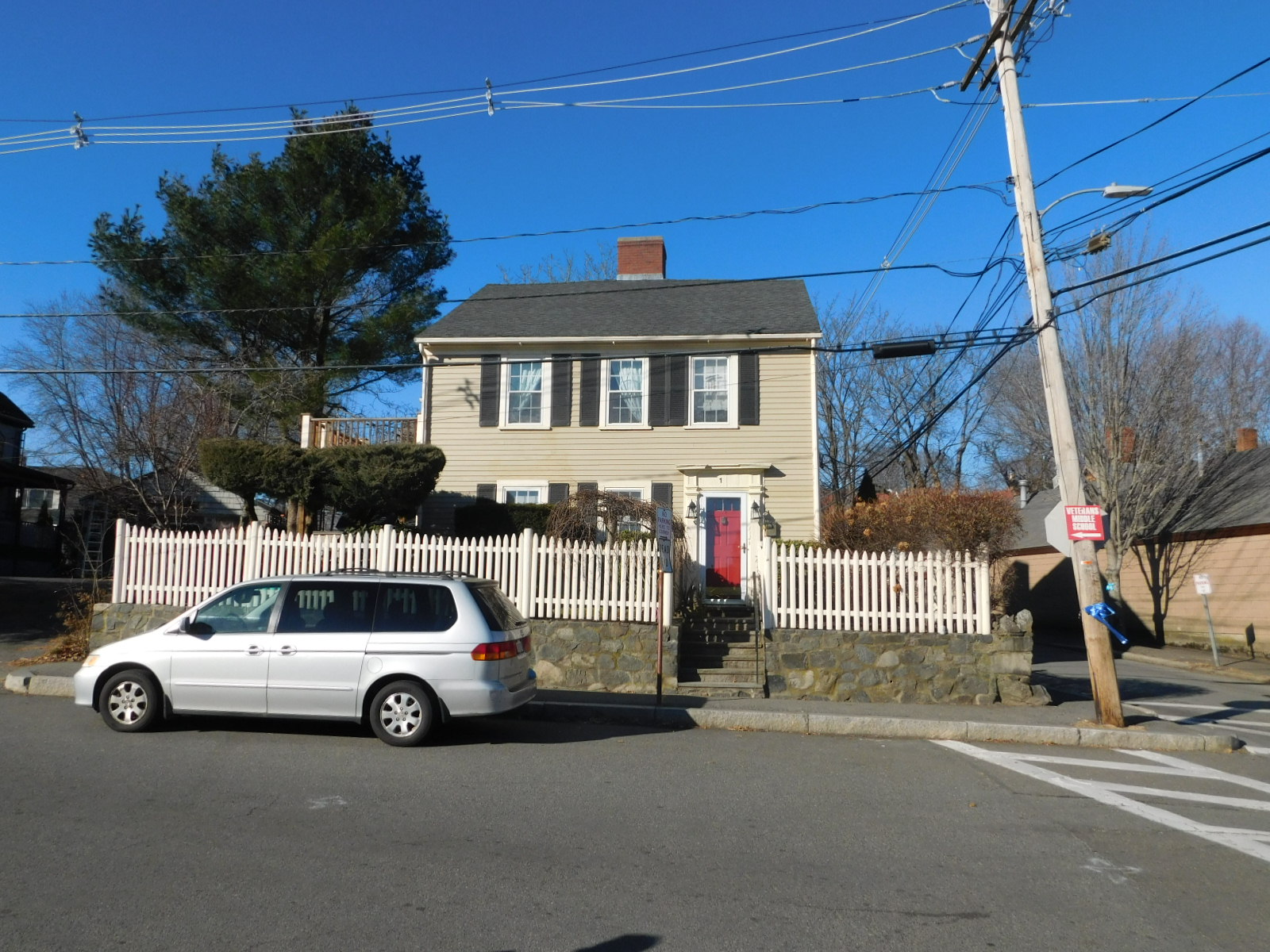
Marblehead, MA, is a visual delight, packed with colorful early 18th-century homes and a few dating to the 17th Century. Navigating its narrow streets in an automobile during the tourist season can be challenging; we recommend visiting Marblehead during the spring or fall.
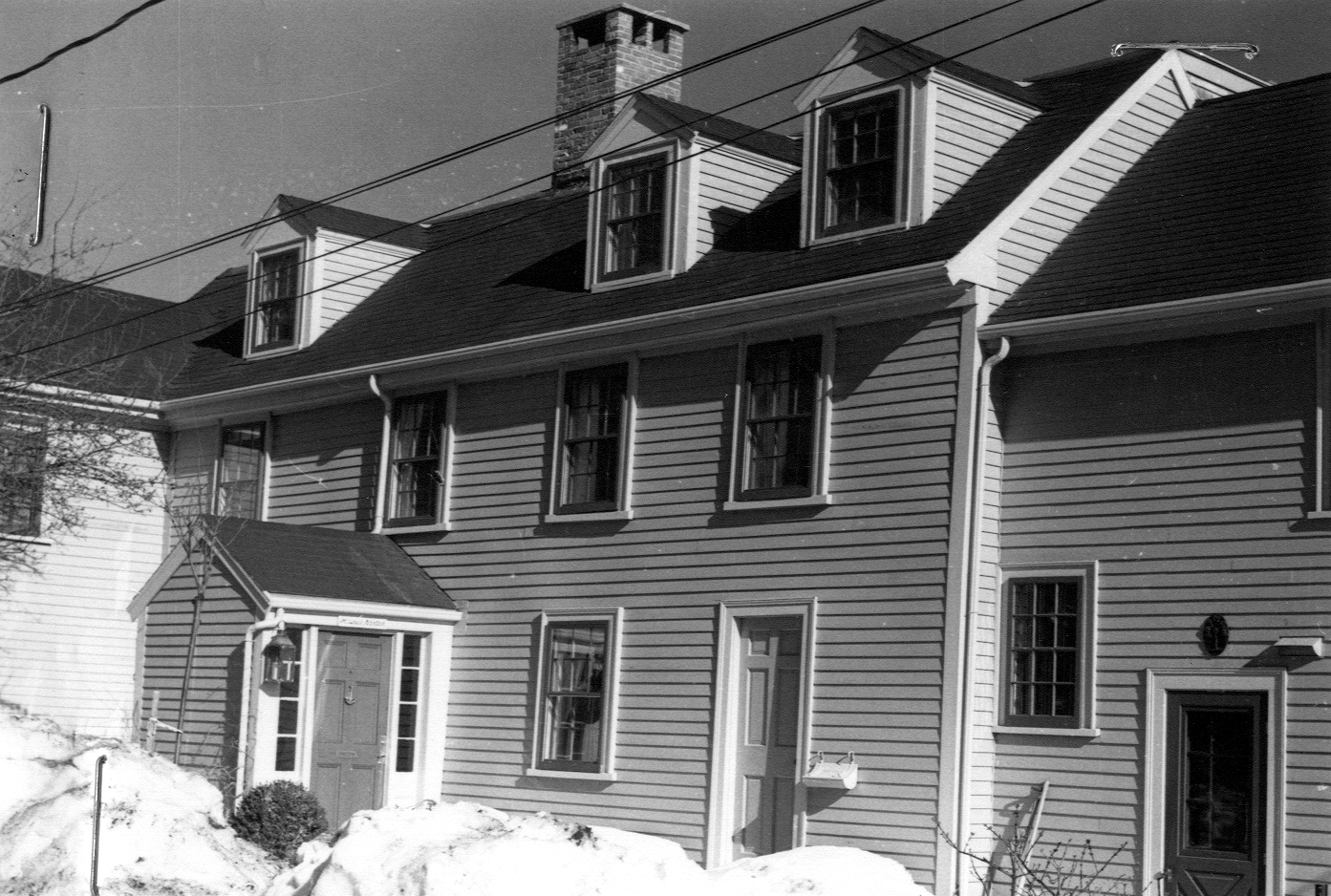
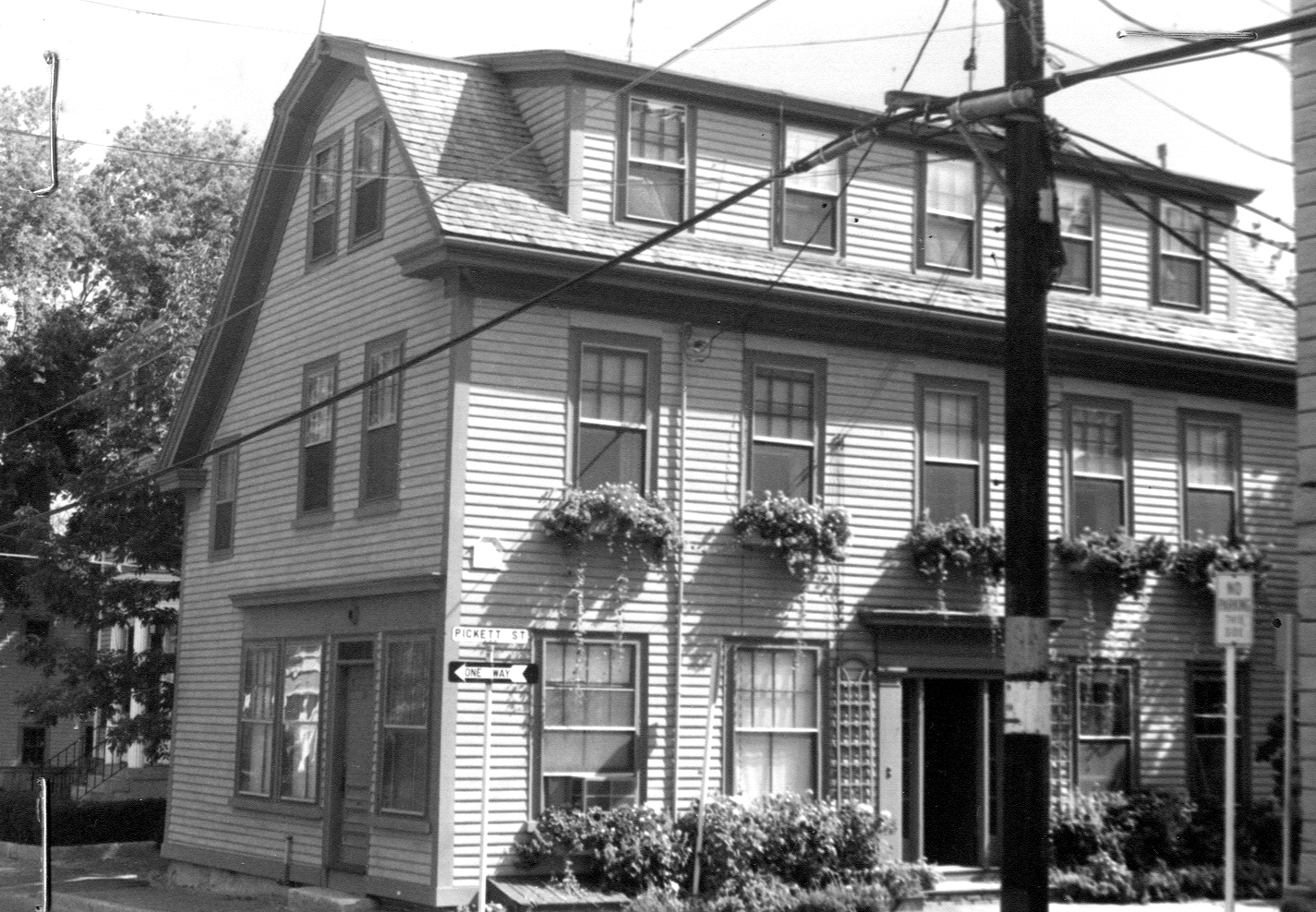
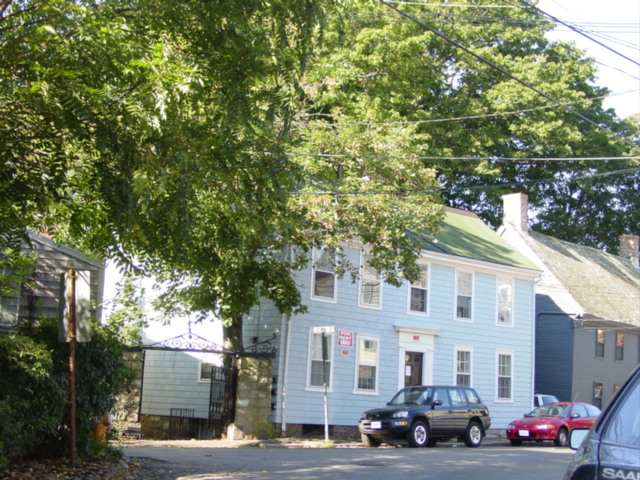
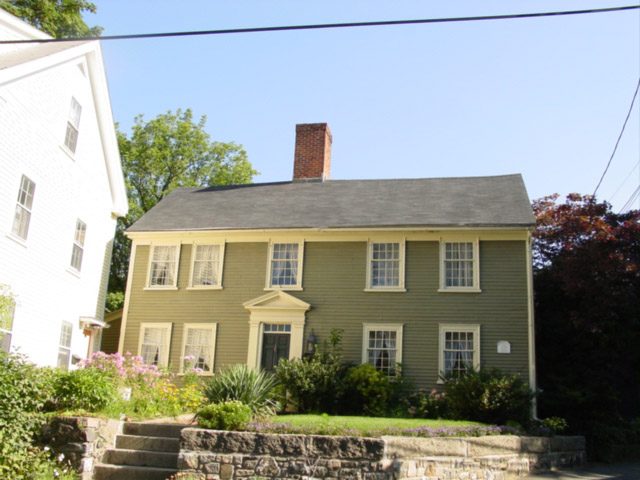
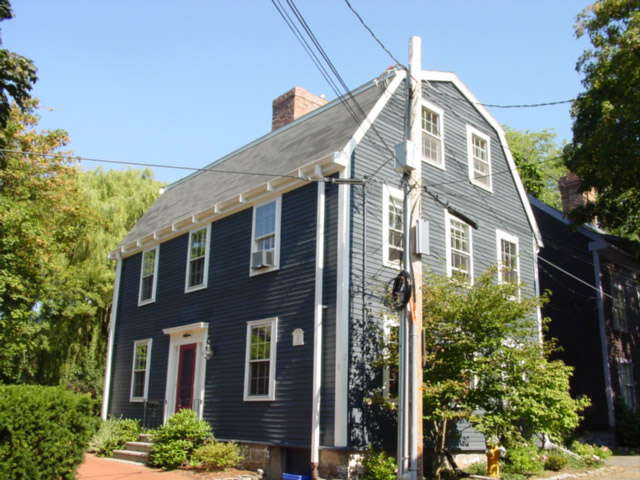
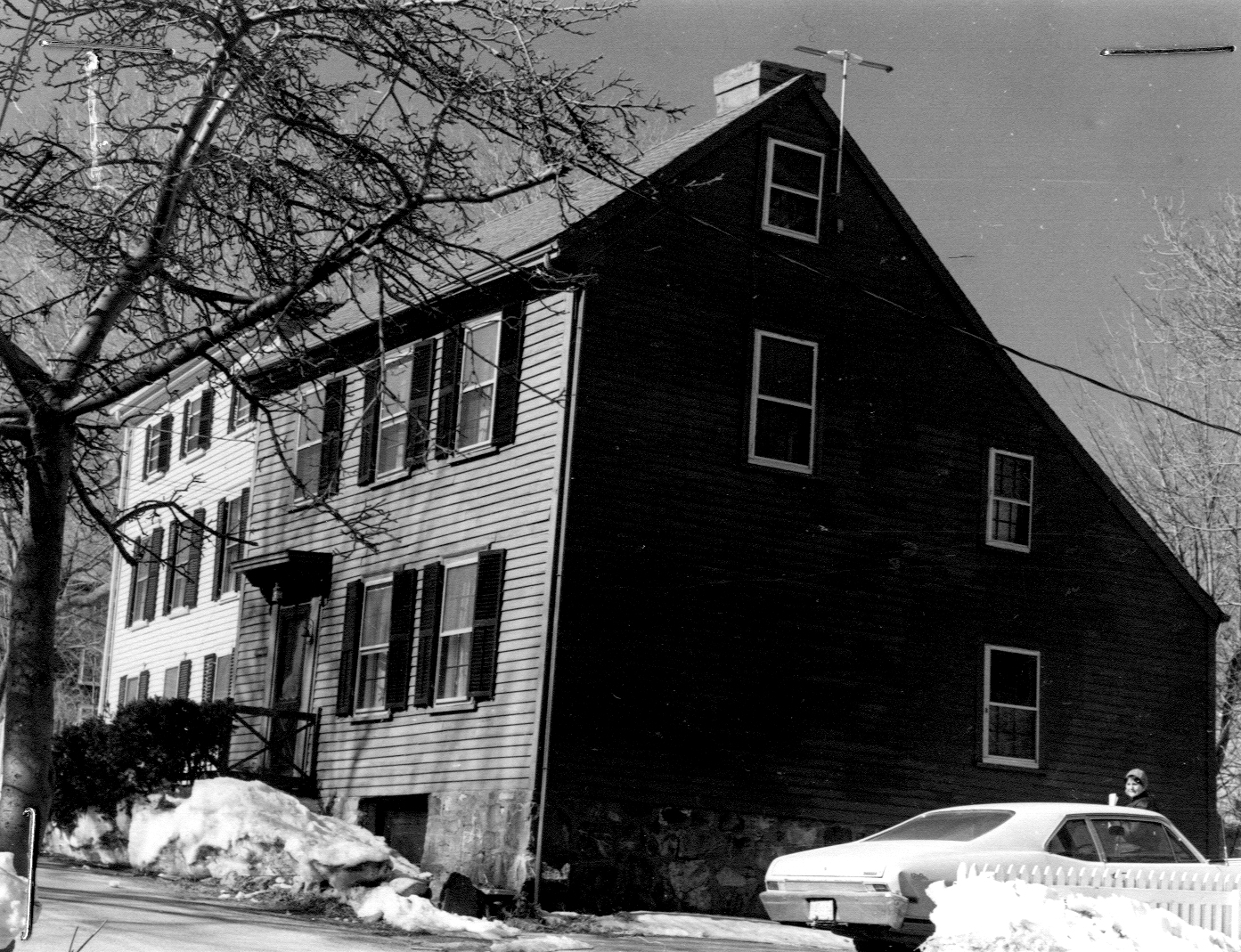
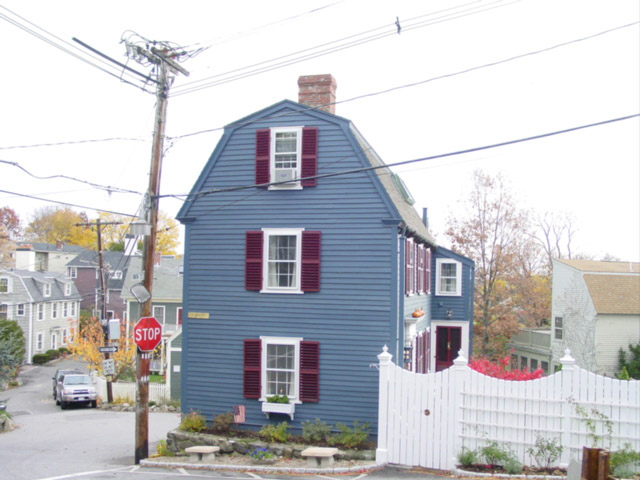
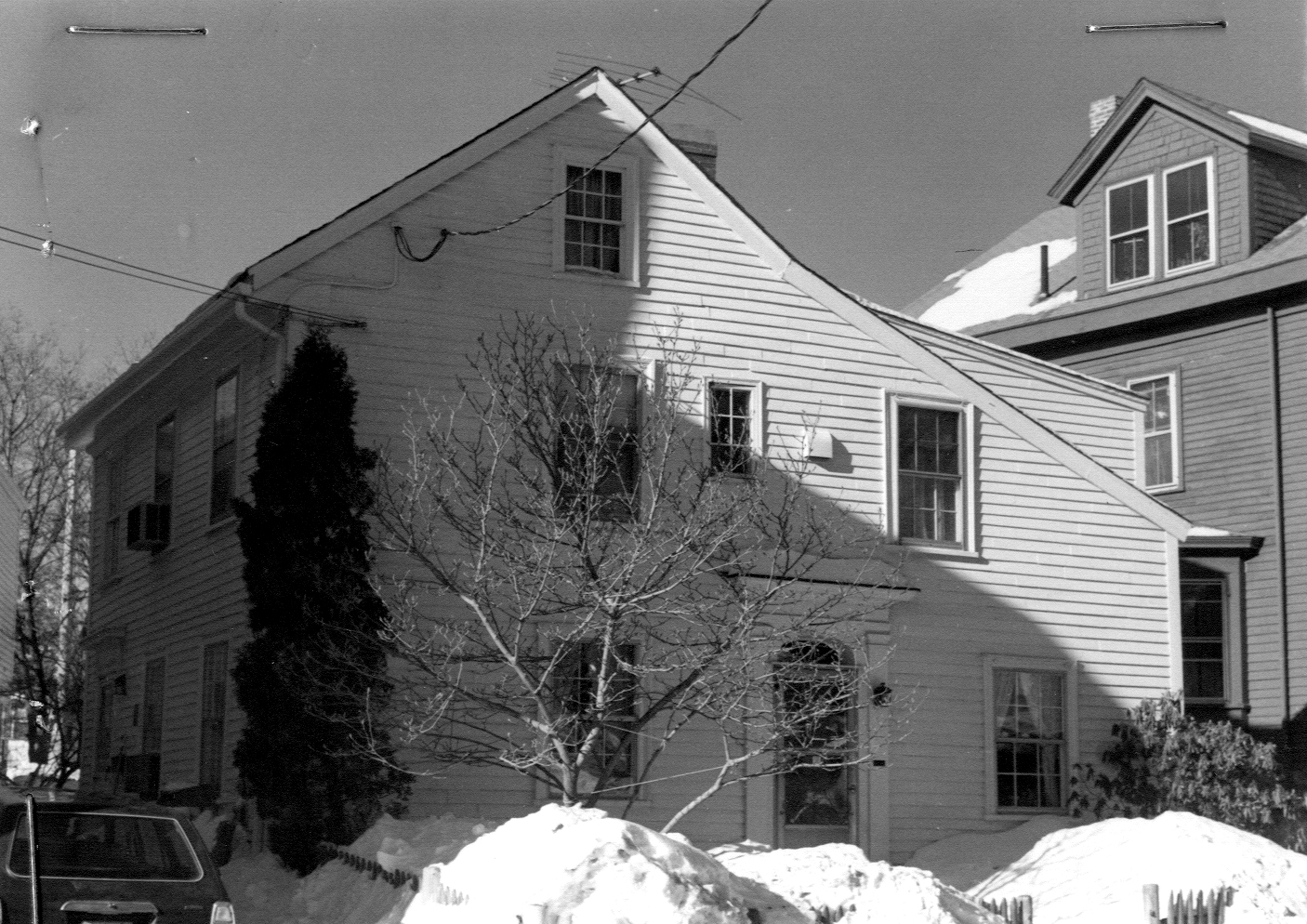
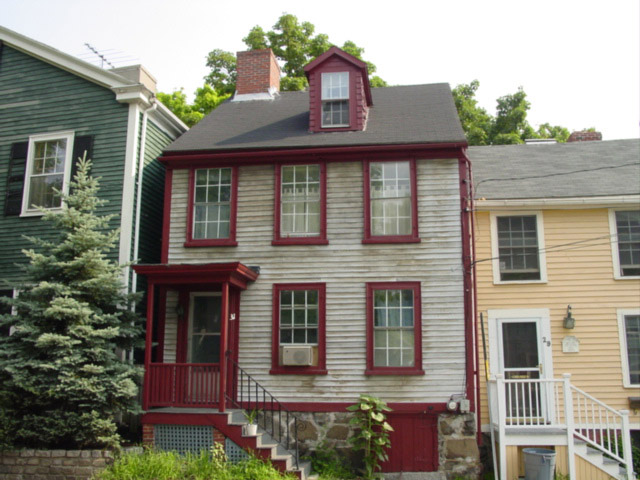
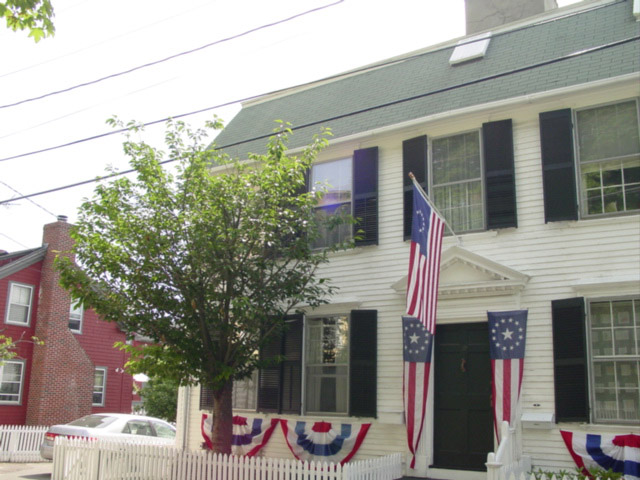
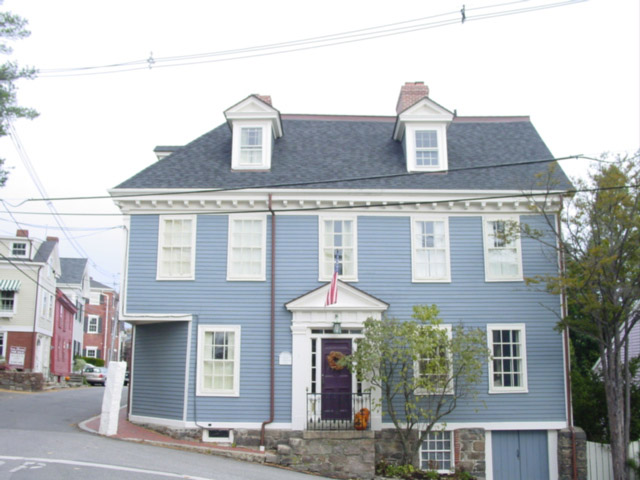
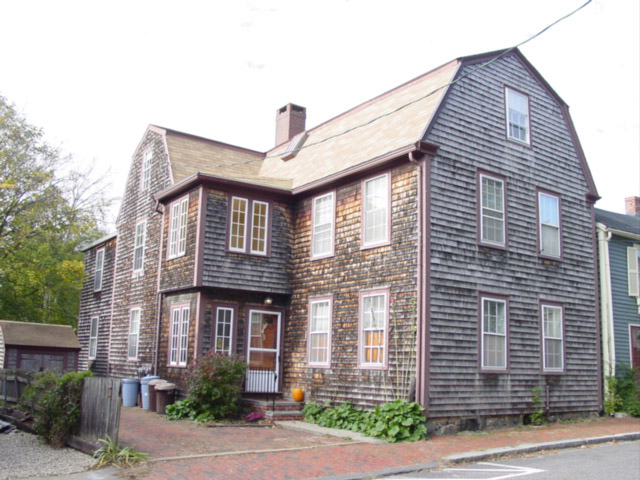
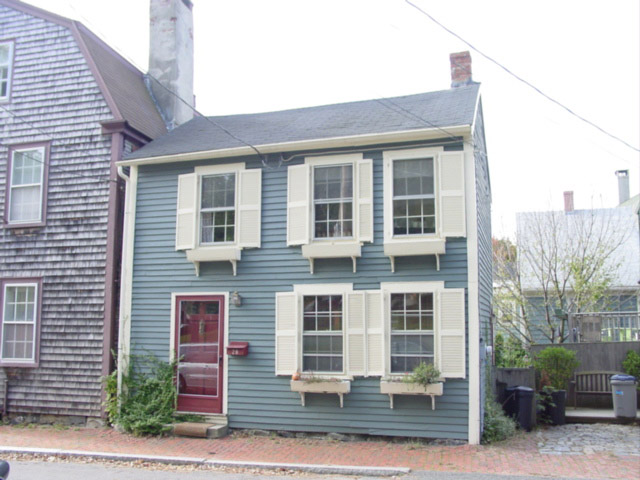
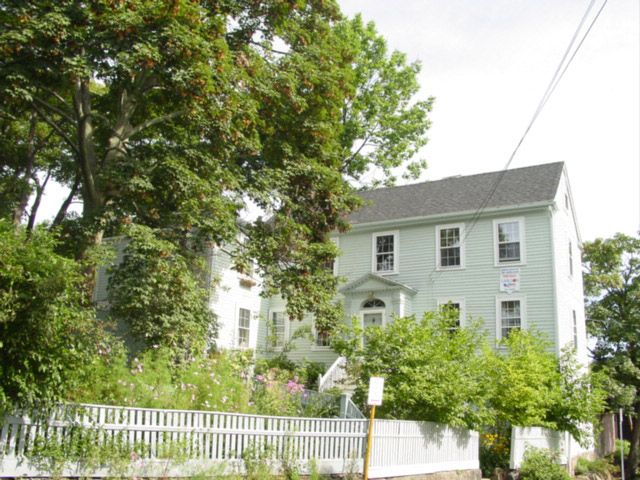
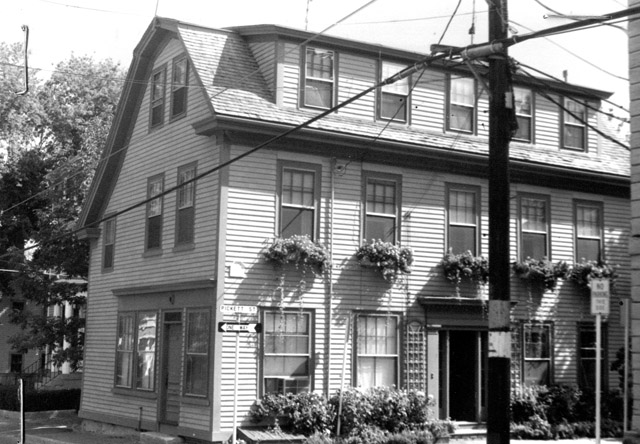
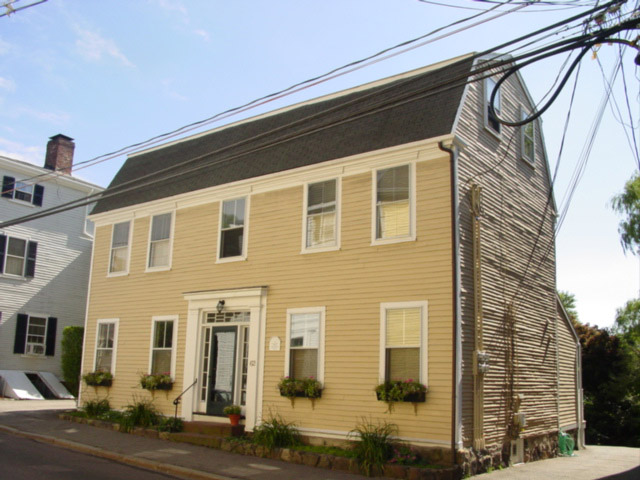
The original location of this house was at the intersection of Beacon and Norman, and it was moved to its present location by 1850. Deacon William Doliber was a leader in resisting the outrages of British rule prior to the Revolution. He was appointed by a Town Meeting in 1771 to a committee of grievances to correspond with like committees in other towns of the commonwealth, to press for the rights of the province, and oppose the crown. With Doliber on this committee were Azor Orne, Elbridge Gerry, Joshua Ome, Thomas Gerry, Thomas Gerry, Jr., Capt. John Nutt and Capt. John Glover. After the Boston Tea Party in 1773, the infamous Port Bill was passed, which closed Boston to Commerce and removed the seat of Government to Salem. Town Meeting then appointed Doliber to the Committee of Correspondence, which also included Joshua Orne, Deacon Stephen Phillips, Edward Fettyplace, Capt. John Nutt and Ebenezer Foster. Doliber was also chosen to represent the town when all the Committees of Correspondence met. The other delegates were Jeremiah Lee, Azor 0rne, Elbridge Gerry, and Joshua Orne.
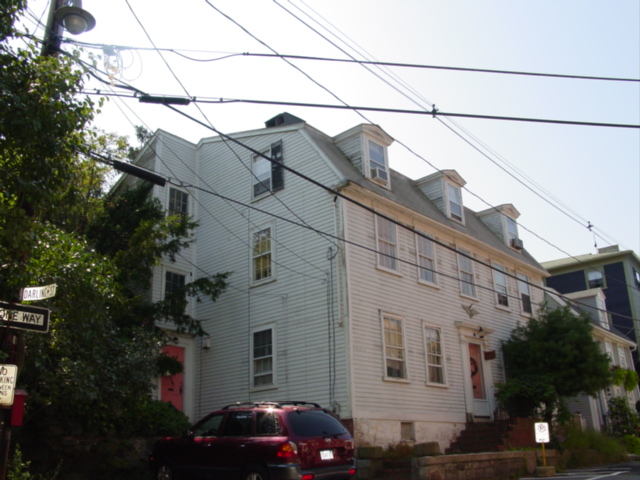
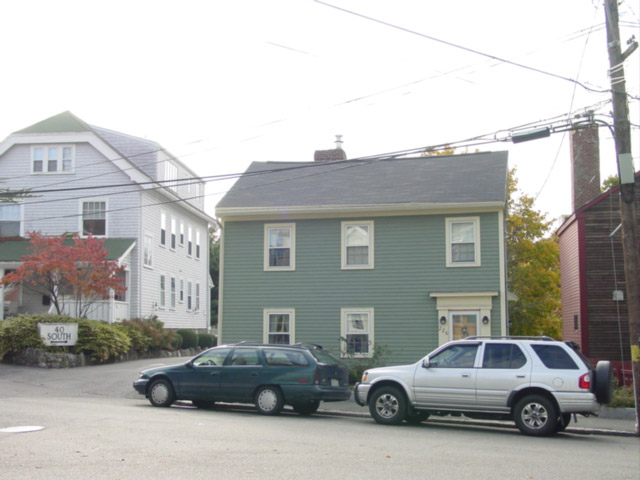
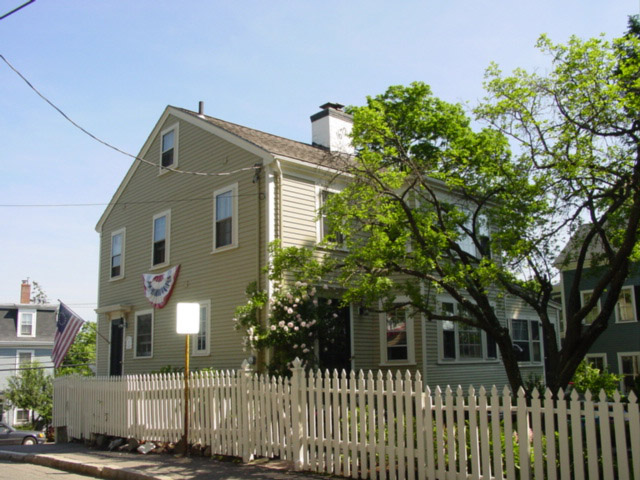
From 1779 to 1801, this property was owned by Ephraim Ireson, mariner, from whom it was inherited by his daughter, Meriam Ireson, Spinster. She sold the lower half of the house in 1802 to Joseph Goodwin and Daniel Molay, who, in turn, sold it in 1806 to Benjamin Dodd. She sold the upper half of the property in 1802 to Benjamin Ireson, a mariner, who in 1808 was the unfortunate passenger in the famous “Skipper Ireson’s Ride” immortalized by the prominent poet John Greenleaf Whittier in his poem of that name published in 1857. Benjamin Ireson lived in the house until 1853, when the upper 1/2 part of the house was conveyed to Elizabeth Ireson Preble by her father, Skipper Benjamin Ireson.
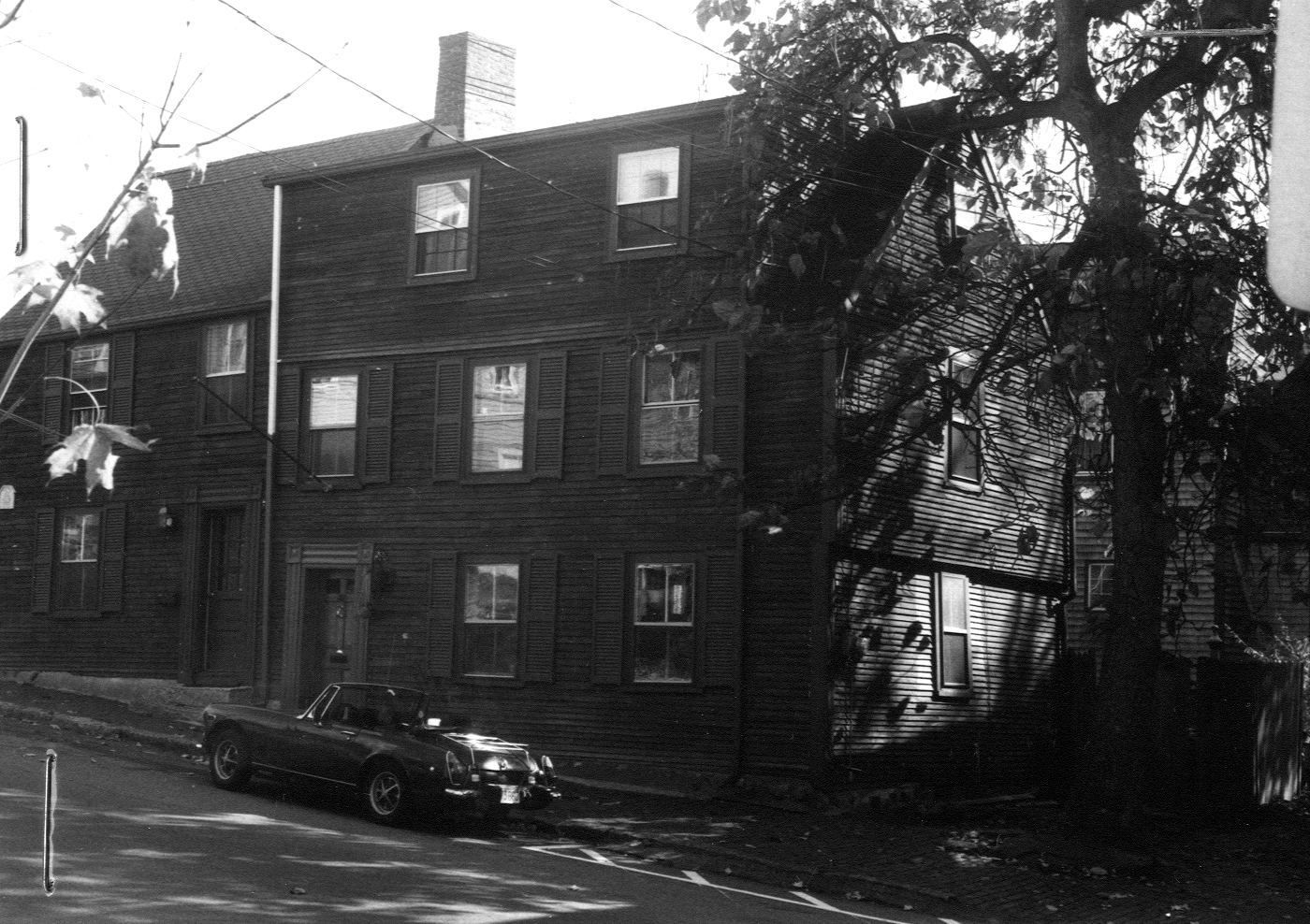
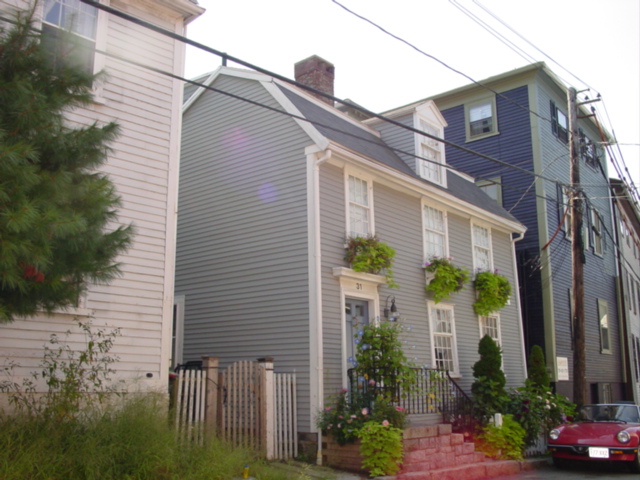
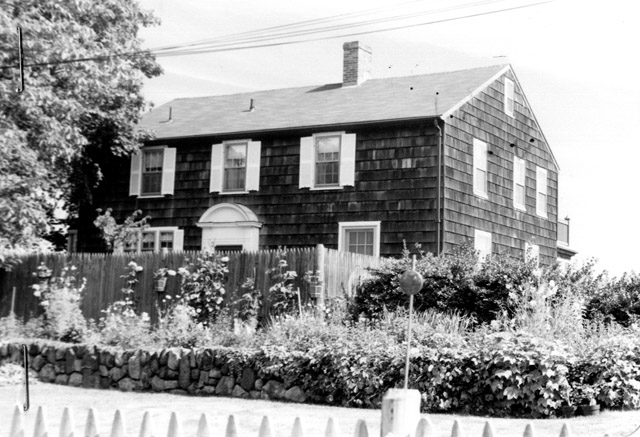
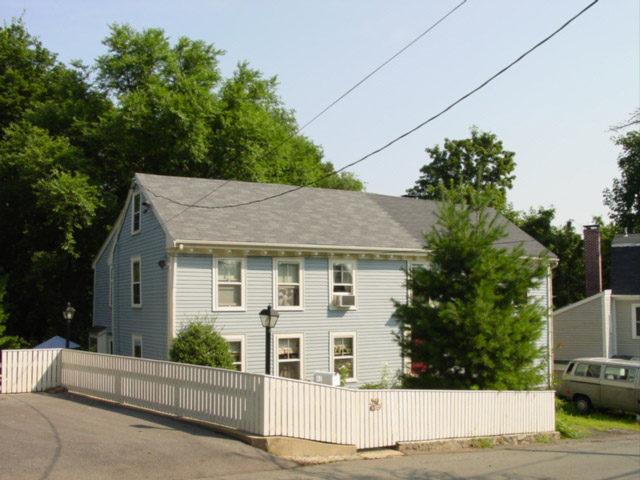
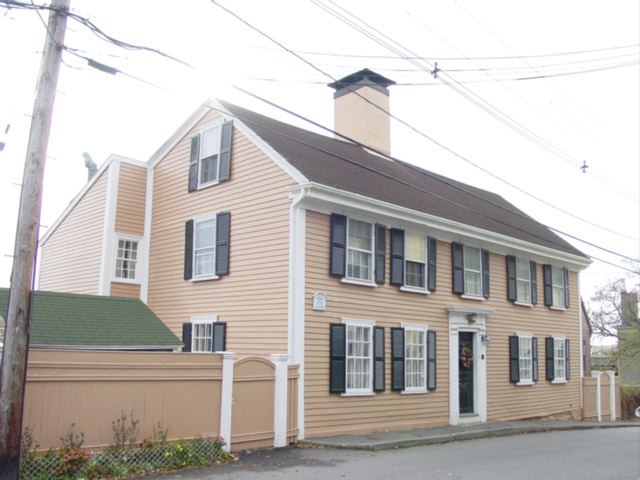
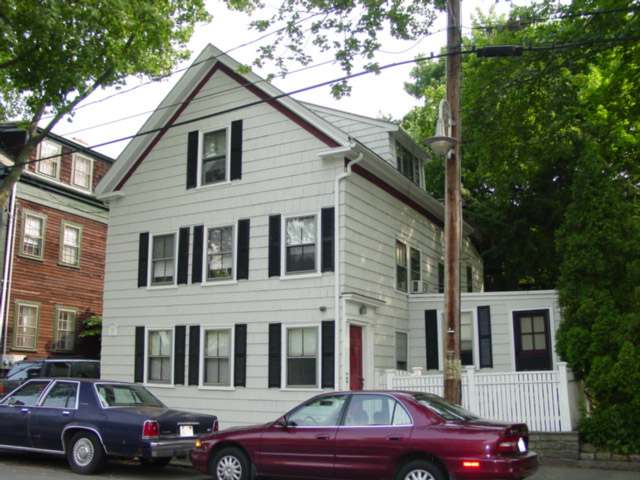
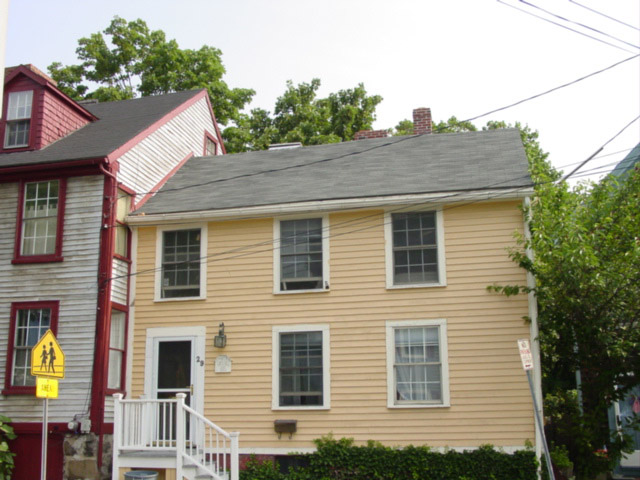
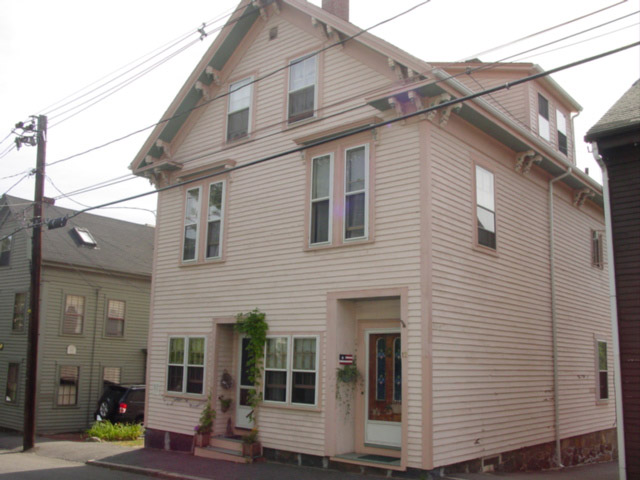
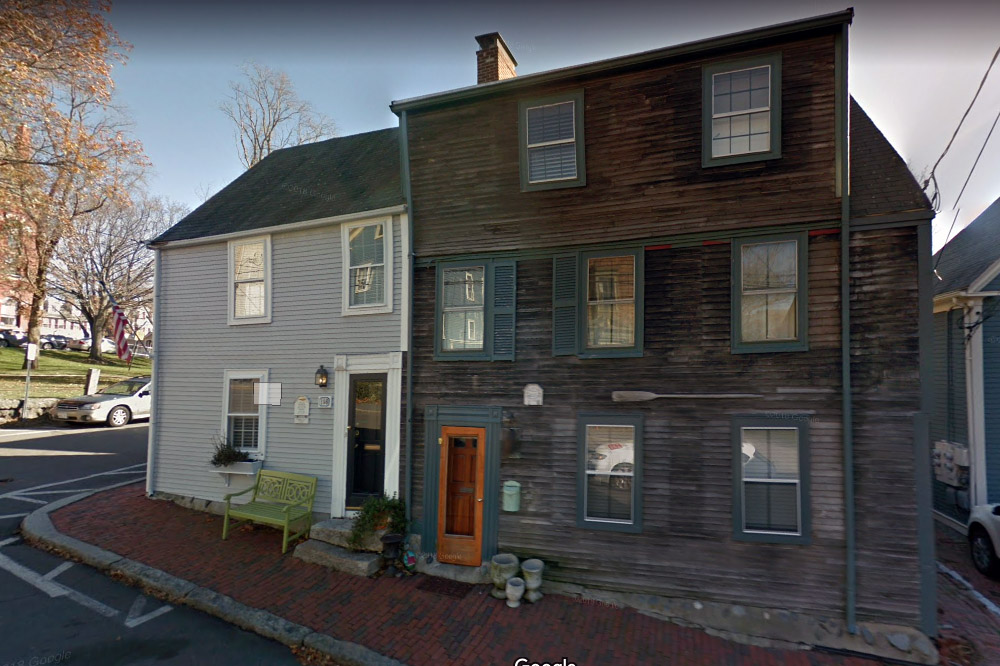
Edward Homan House, 29-31 Circle St., c. 1700-1805. The left side of this house is said to have been built by Edward Homan in the 17th century. The summer beams inside are smoothly finished and ornately chamfered. The right side was added between 1802 and 1805.
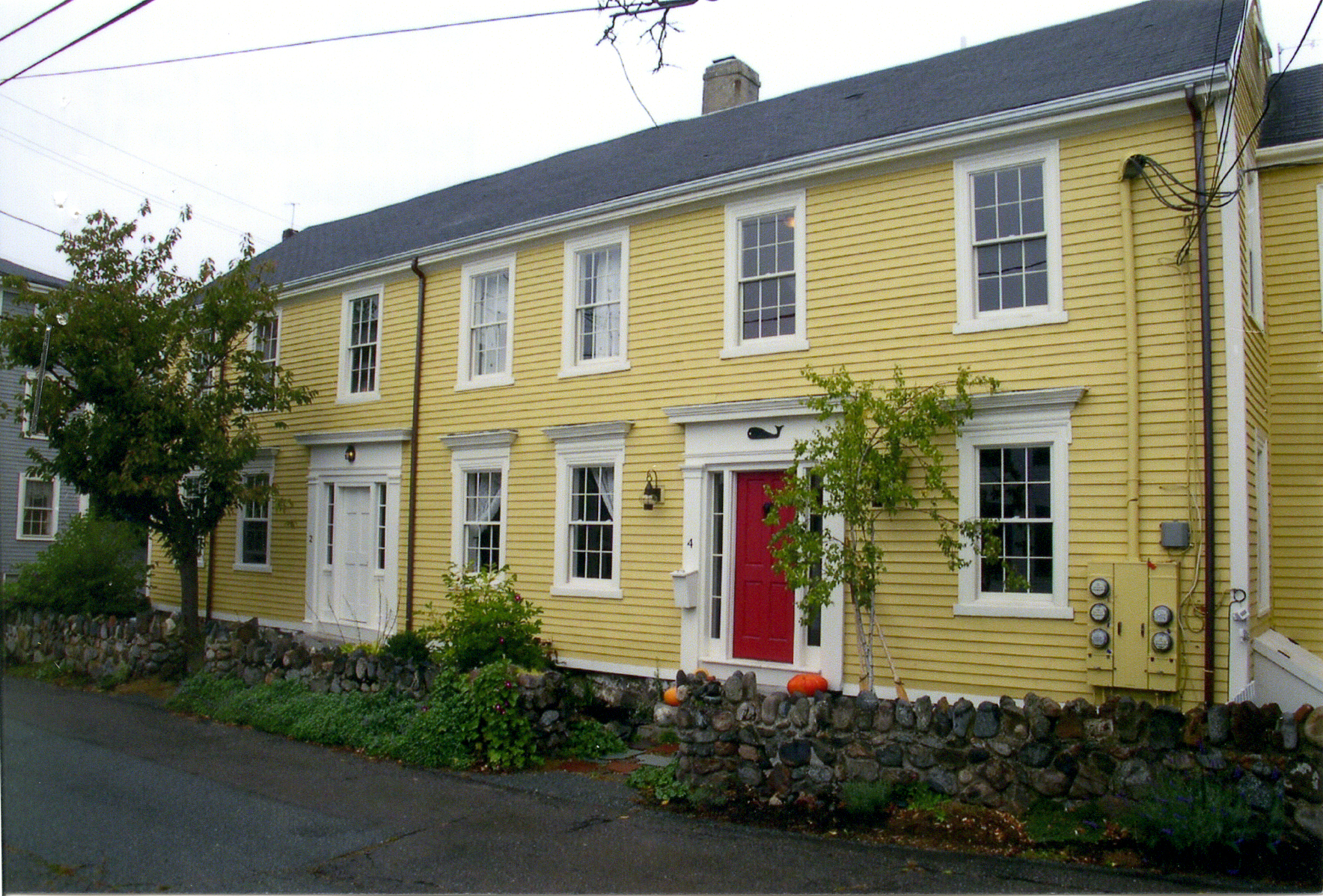
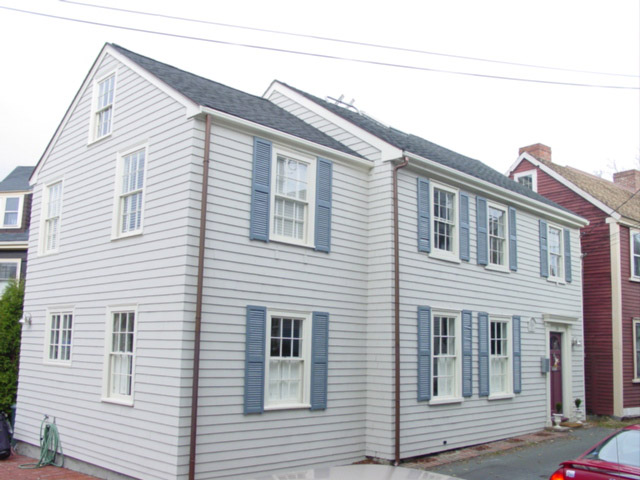
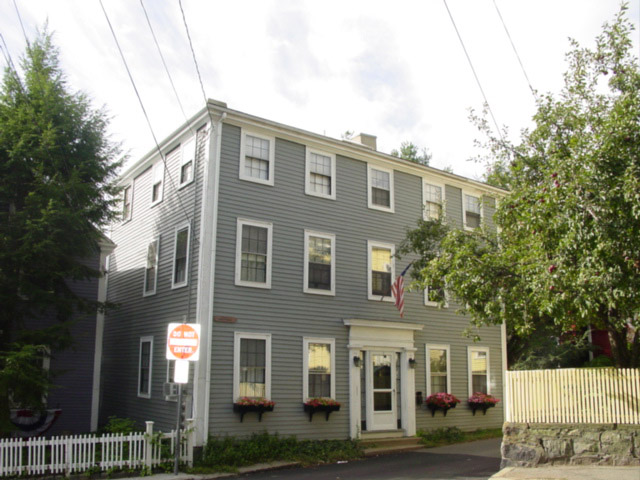
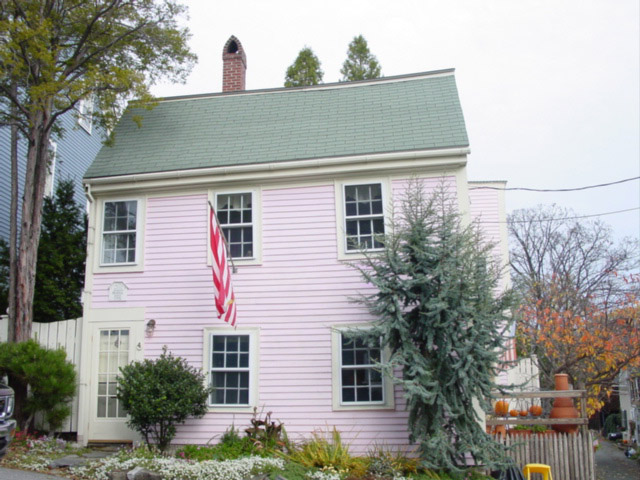
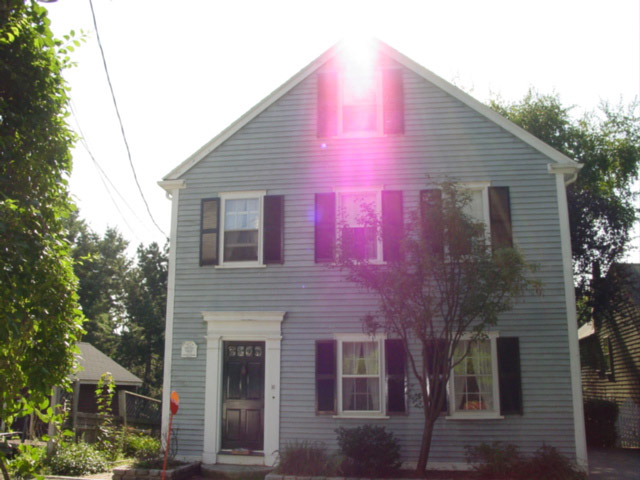
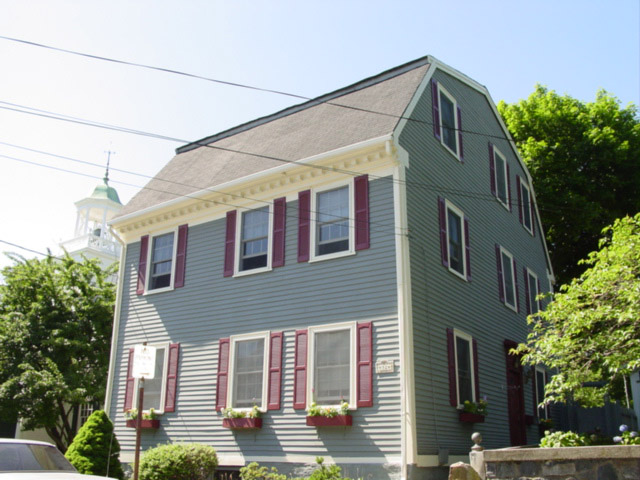
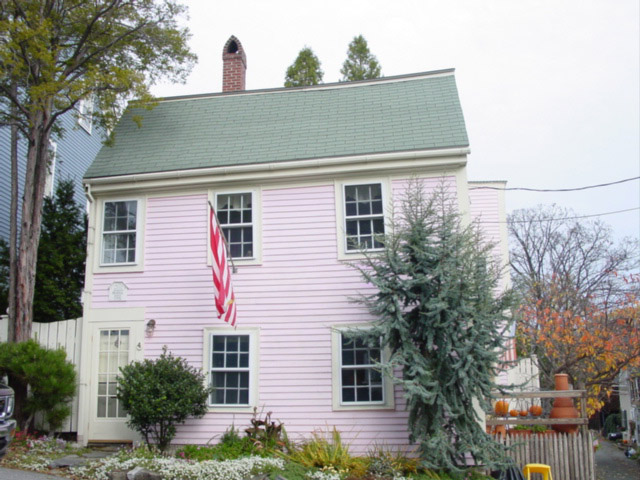
4 Cross St.The sign on this house reads, “Samuel Bowden, 1730.” The MACRIS site assigned a construction date of 1775, and the Marblehead Assessors site says it was built about 1900.
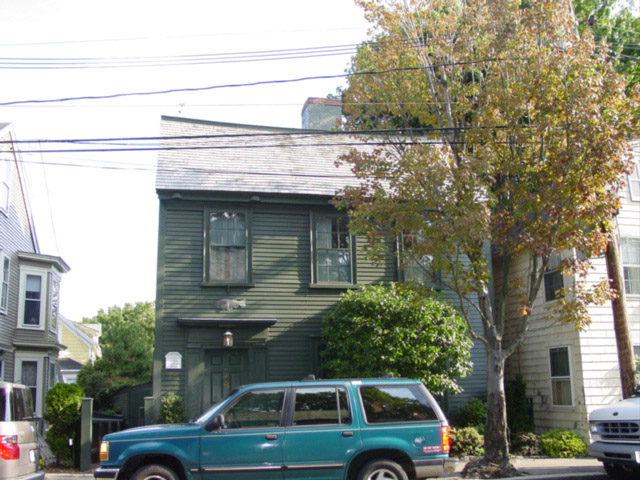
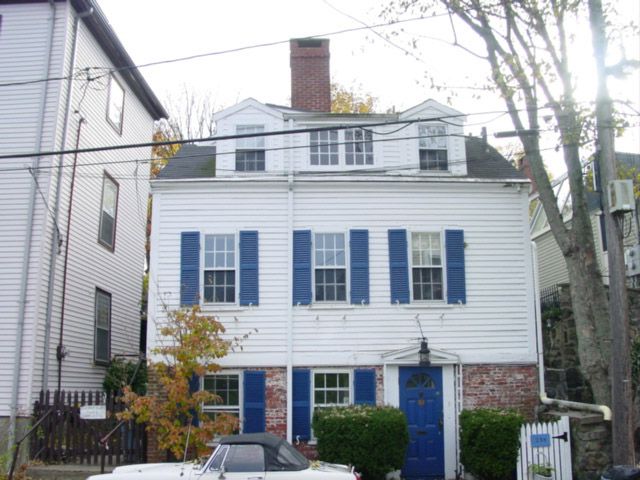
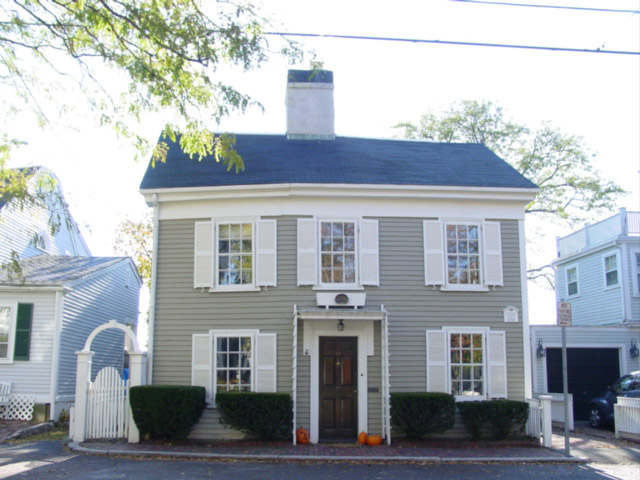
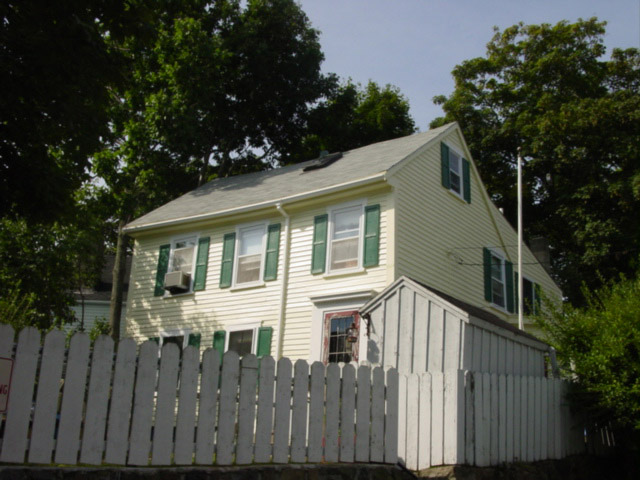
30 Elm Street. The sign on the front of this house reads, “Ebenezer Hawkes, 1766”, the same date shown on the Marblehead Assessors page.
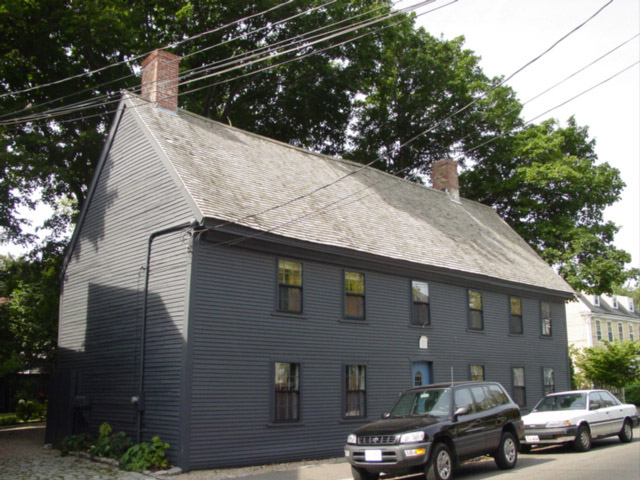
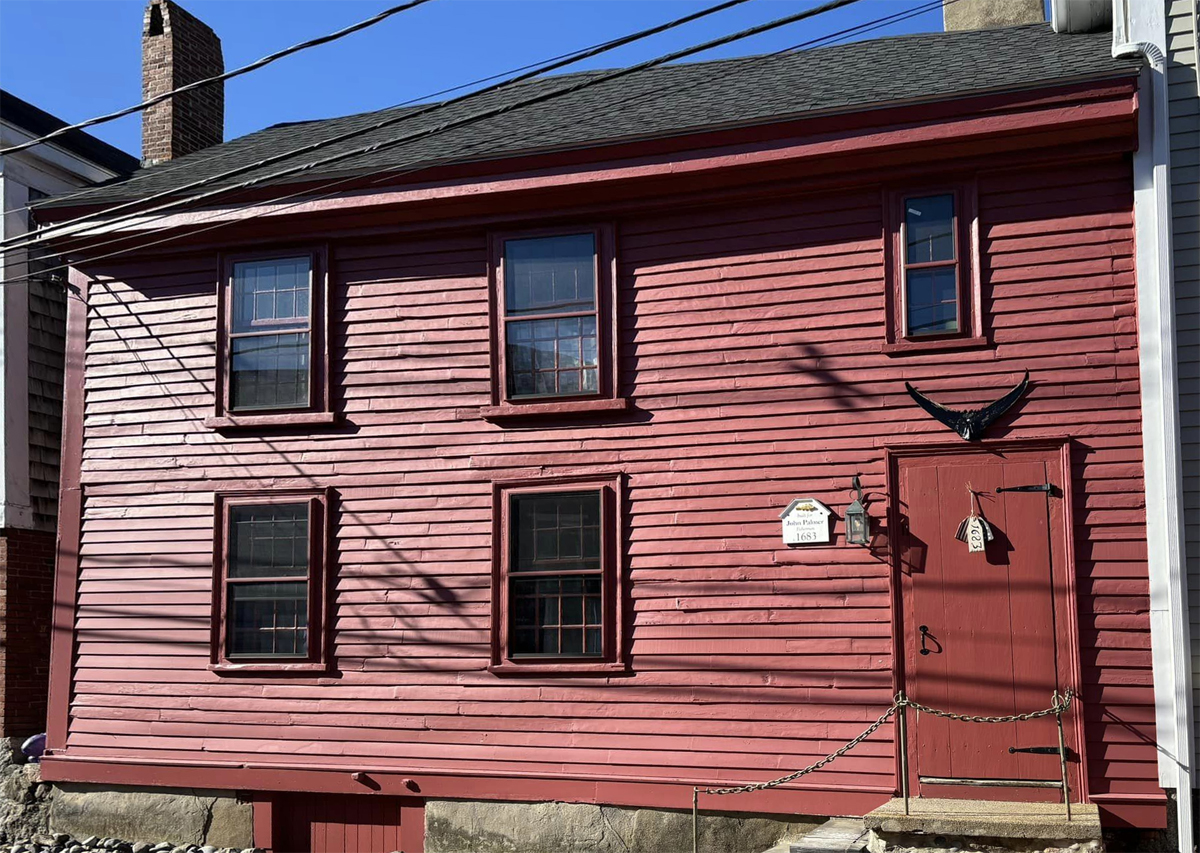
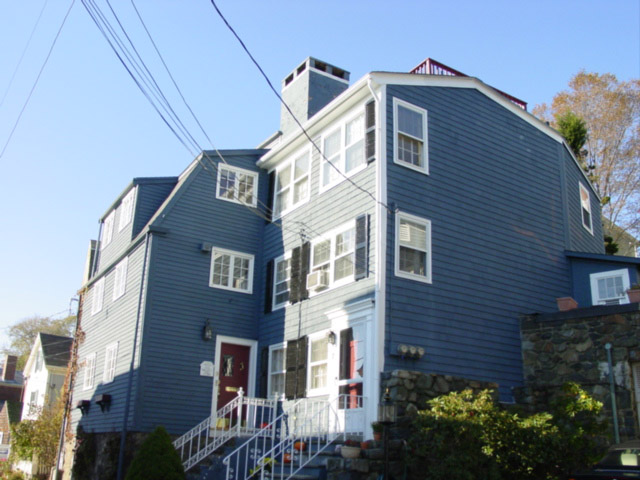
11 Hooper St., Marblehead (1683). In 1682, John Palmer purchased this lot and constructed the house, using English walnut from a salvaged vessel for the frame. MAR.233. By the early 18th century, the house was extended to the rear, and overhangs were added to the roof.
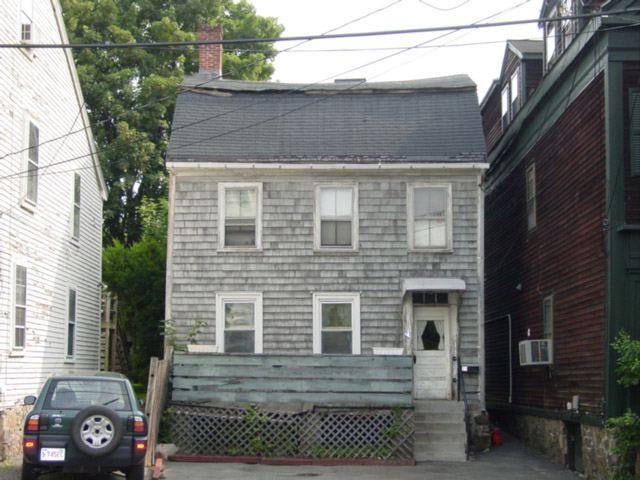
King, Daniel House 12 State
St. (rear) MAR.1223 1739
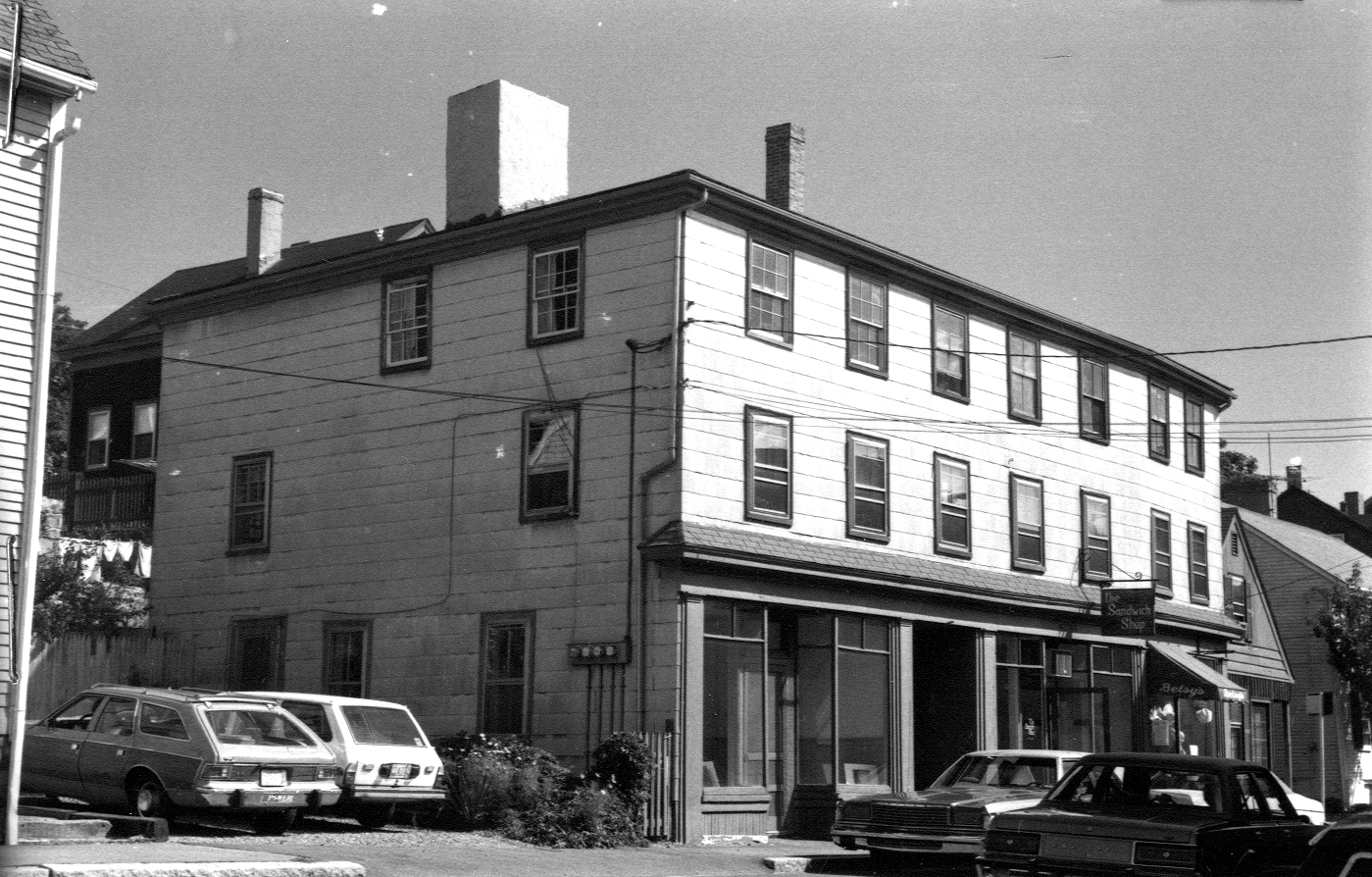
Deed research dates this house before 1739 when Daniel King, instrument maker and Samuel Case, fisherman sold this house and land to Alexander Watte. Watte (or Watts) ) died in 1780, at which time Benjamin King was appointed administrator of the estate and the “dwelling house on King Street” was sold to John Adams. By I845 the ownership of the house became divided into l6ths. In the main part of the house only the enclosed beams remain from the original structure. The rear wing appears to be quite old.
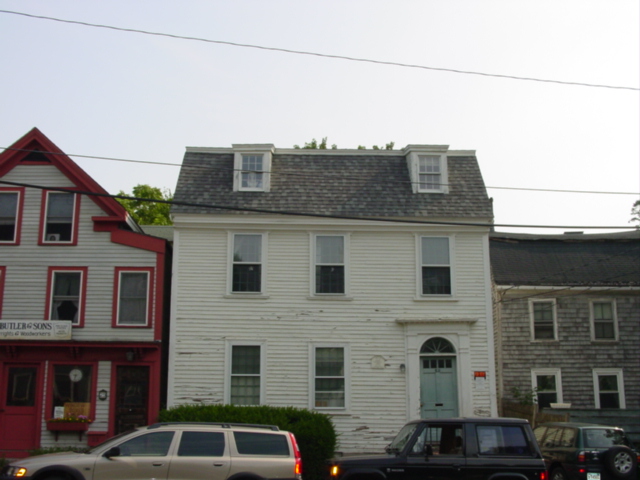
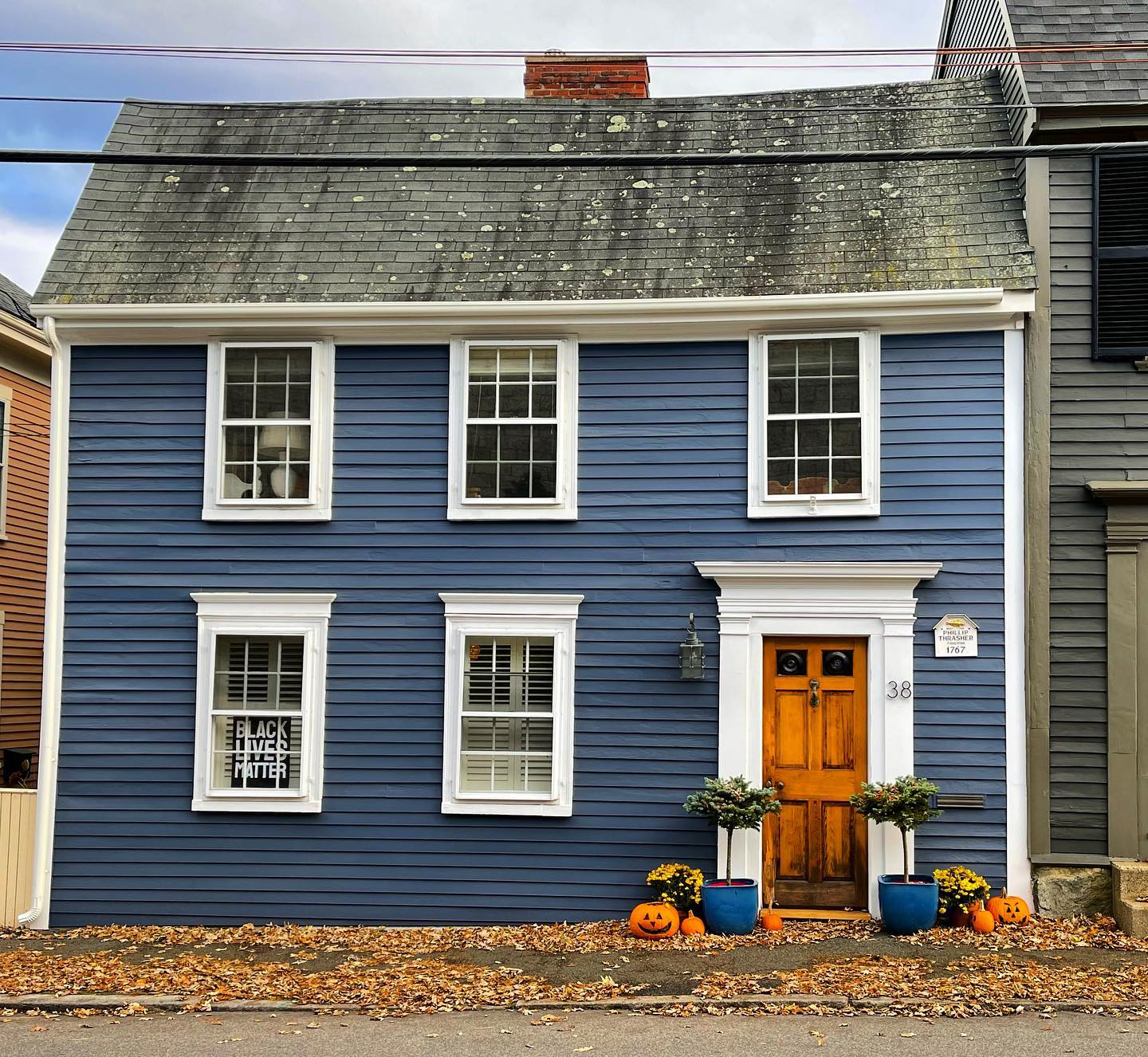
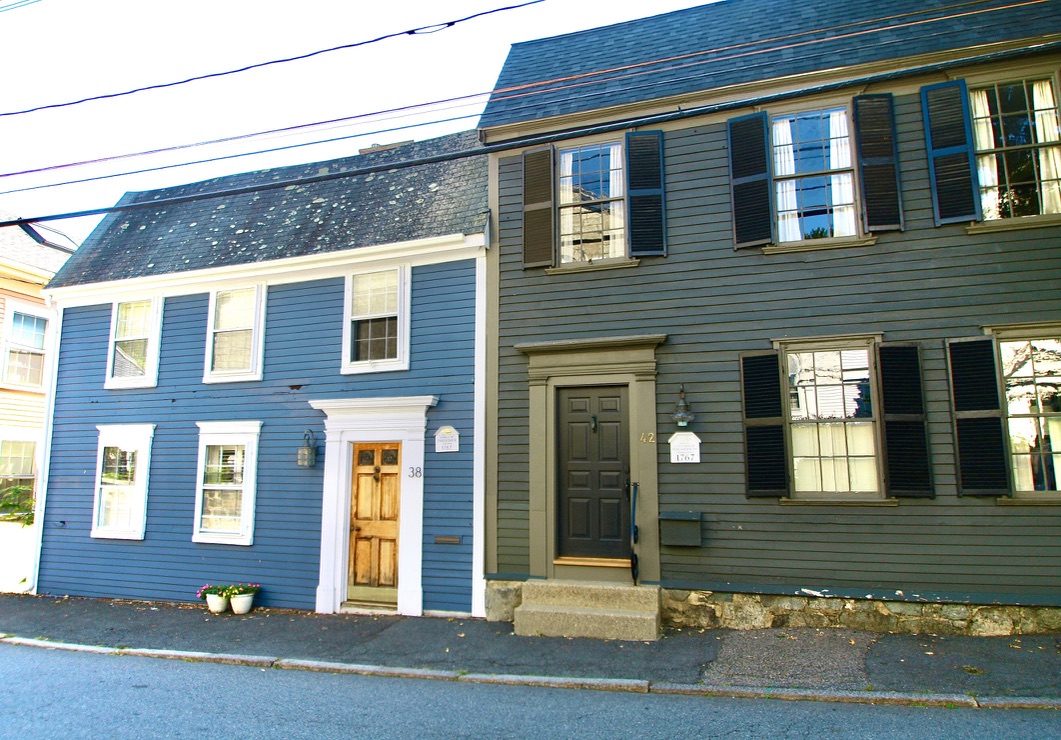
38 Washington St., the Phillip Thrasher House MAR.652 (1767)
38 Washington St., the Phillip Thrasher Houses MAR.652 (1767) and 42 Washington St. (1664 according to Marblehead Patriot Properties). View the history of these houses.
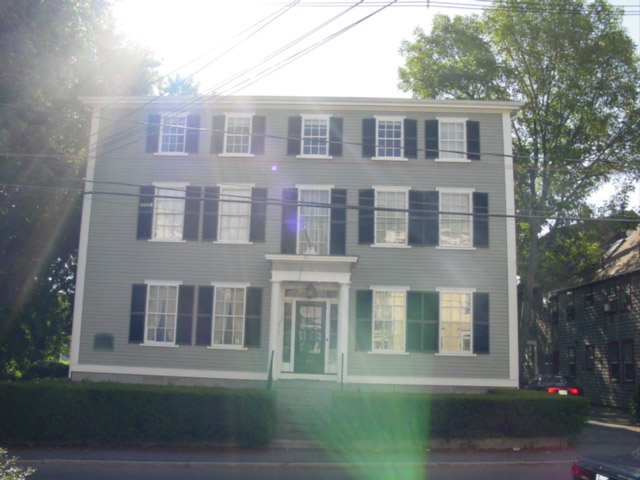
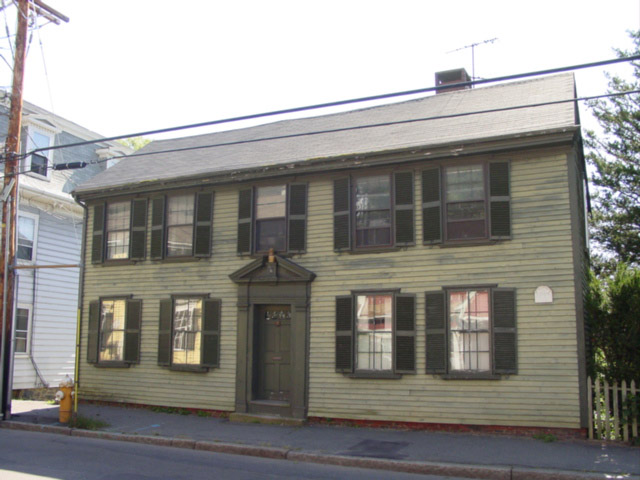
Gerry, Elbridge House 44 Washington St. MAR.654 1730
Bowen, Nathan House 62 Washington St. MAR.478 1760
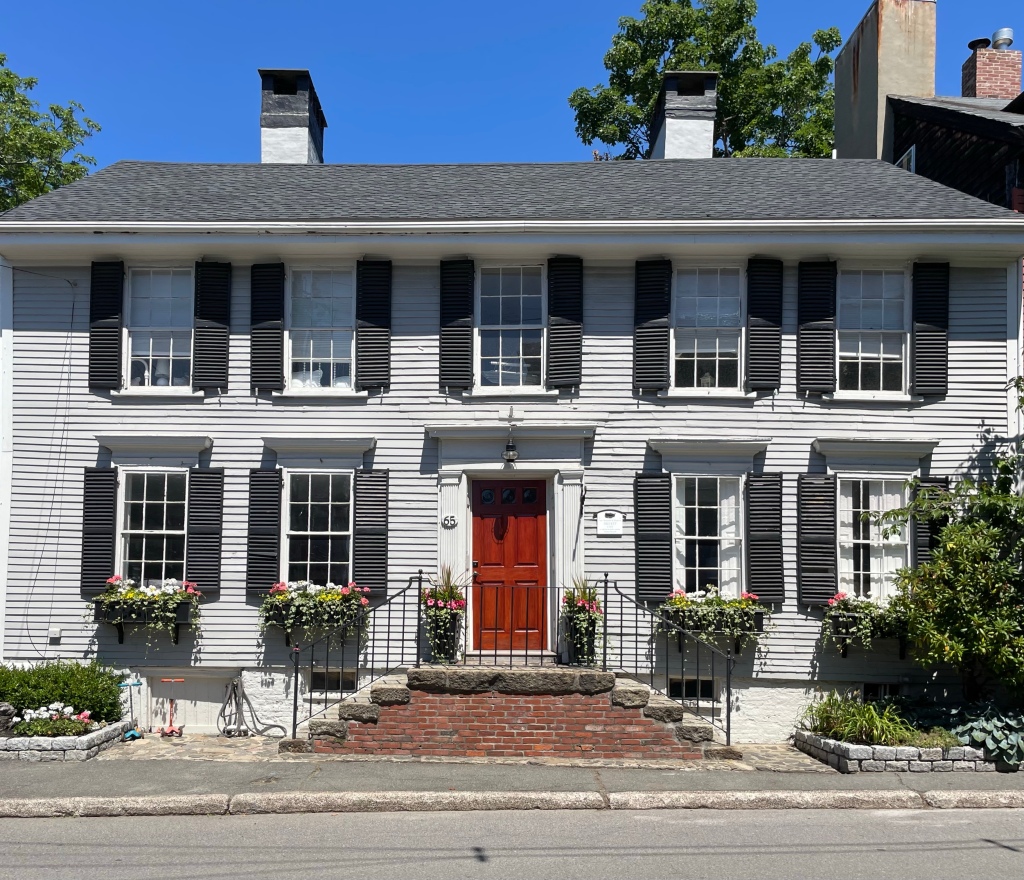
Trevett, Capt. Samuel R. House, 65 Washington St. MAR.473, c. 1750
The house at 65 Washington Street was the birthplace of Samuel Russell Trevett, who led a Marblehead unit in combat at the Battle of Bunker Hill, capturing two British cannons that had been taken from the colonists. He took part in the Rhode Island expedition in August 1778. Samuel Trevett was the son of Russell and Susannah (Ellis) Trevett, and married Sarah Wormsted on 10 Mar 1772. The Marblehead Arts Association bought the house in 1928. The interior photographed was by the Historic American Buildings Survey (HABS).
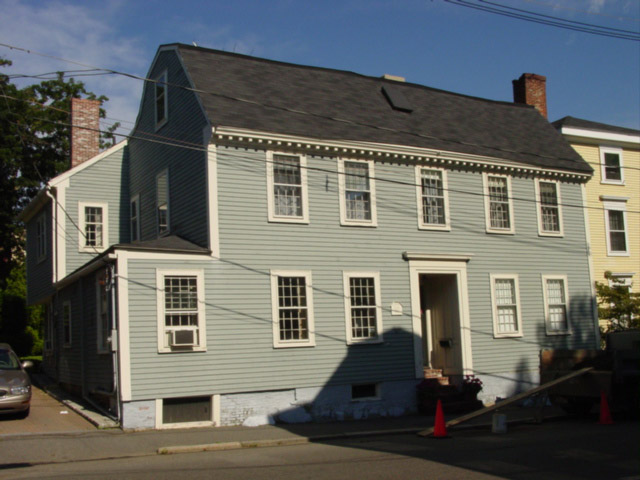
MAR.583: The Richard Homans House, 47 Washington St., Marblehead. Richard Homan (1713-1803) was a shoreman or sea captain who also fought in the Revolutionary War. In 1736, he married Hannah Goodwin, the daughter of William Goodwin, a notable housewright, who probably built this house for them in 1744. He outlived two wives, moved to Ipswich, and sold the house to his son William. The northeast half of the house stayed in the Homan family until the 20th Century. From the 1800s until 2013 the southwest half of the house was owned by the Hawkes family.




























 17th & 18th Century Houses of Essex County, Massachusetts